
Last updated October 30, 2026
 House lockouts
 Re-keying
 Deadbolt upgrades
 Smart locks
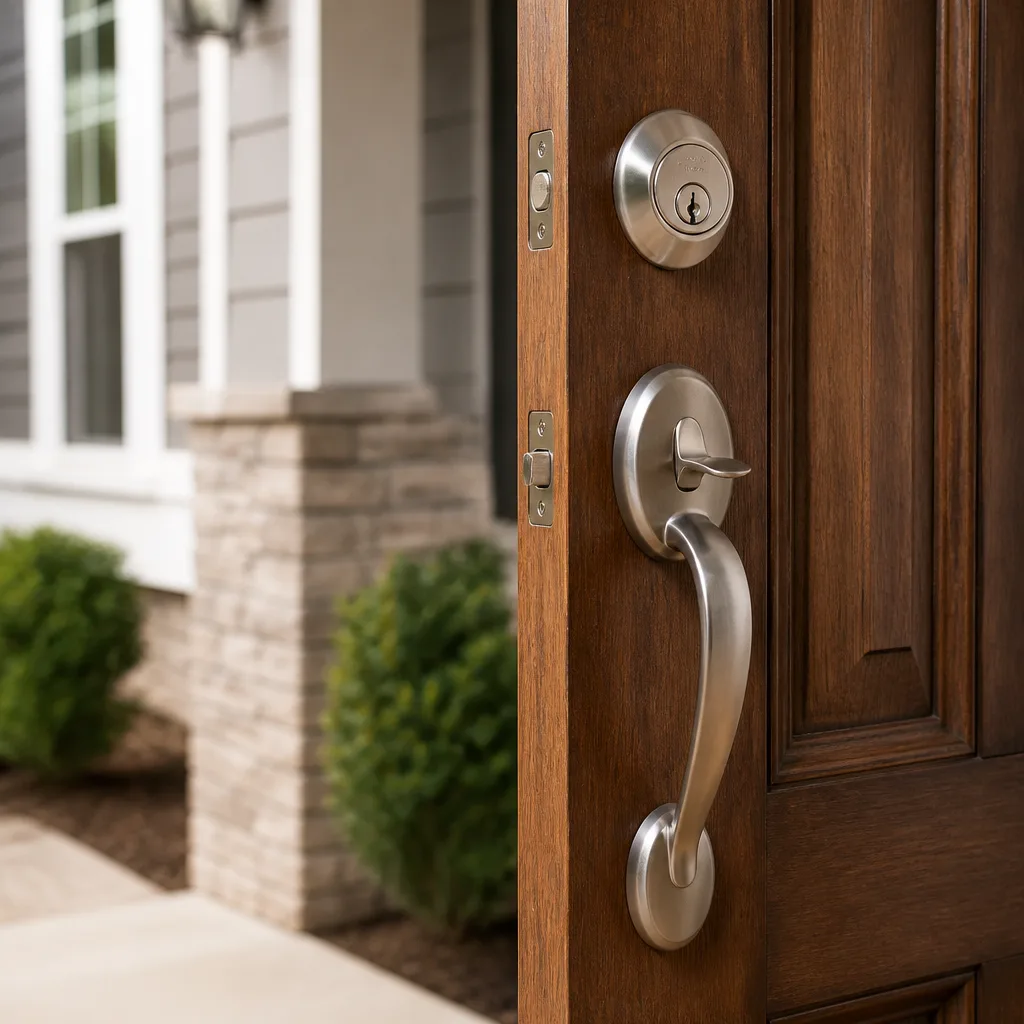 Schlage
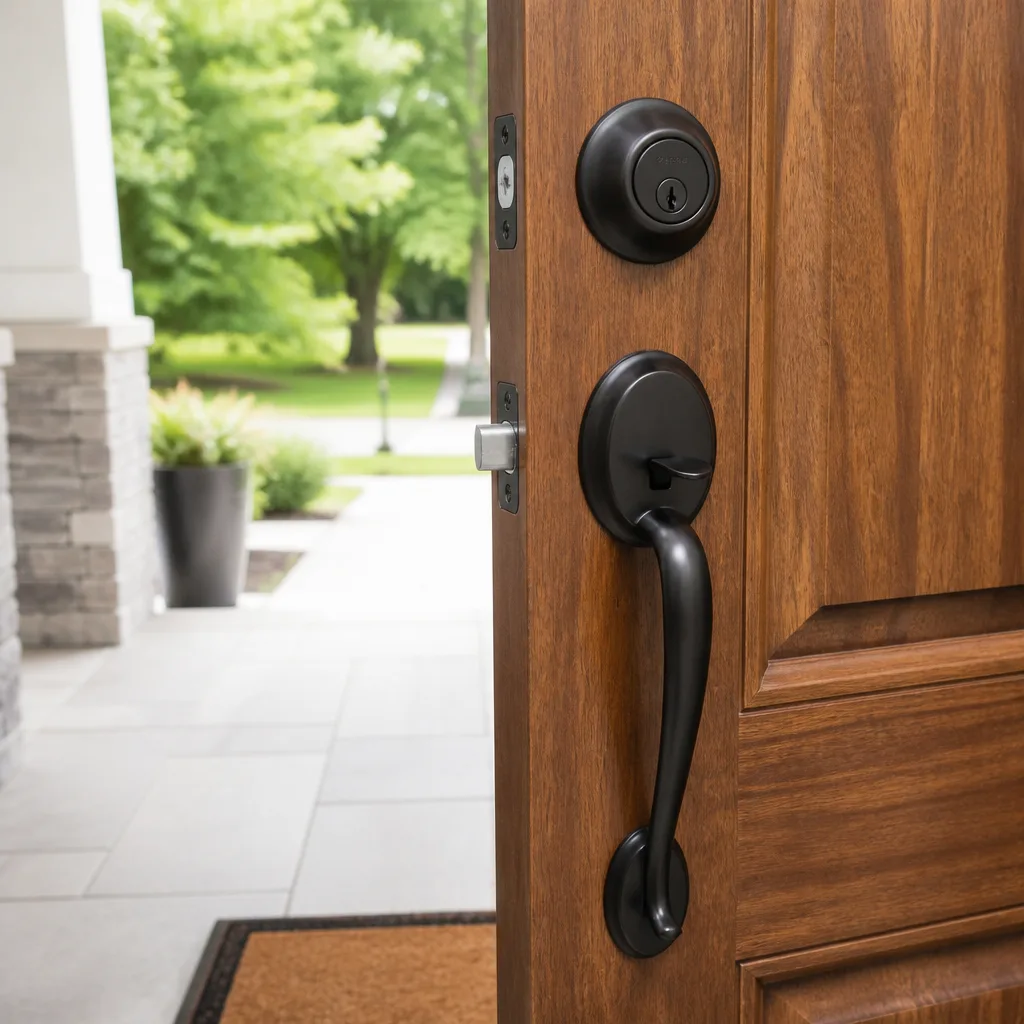 Kwikset
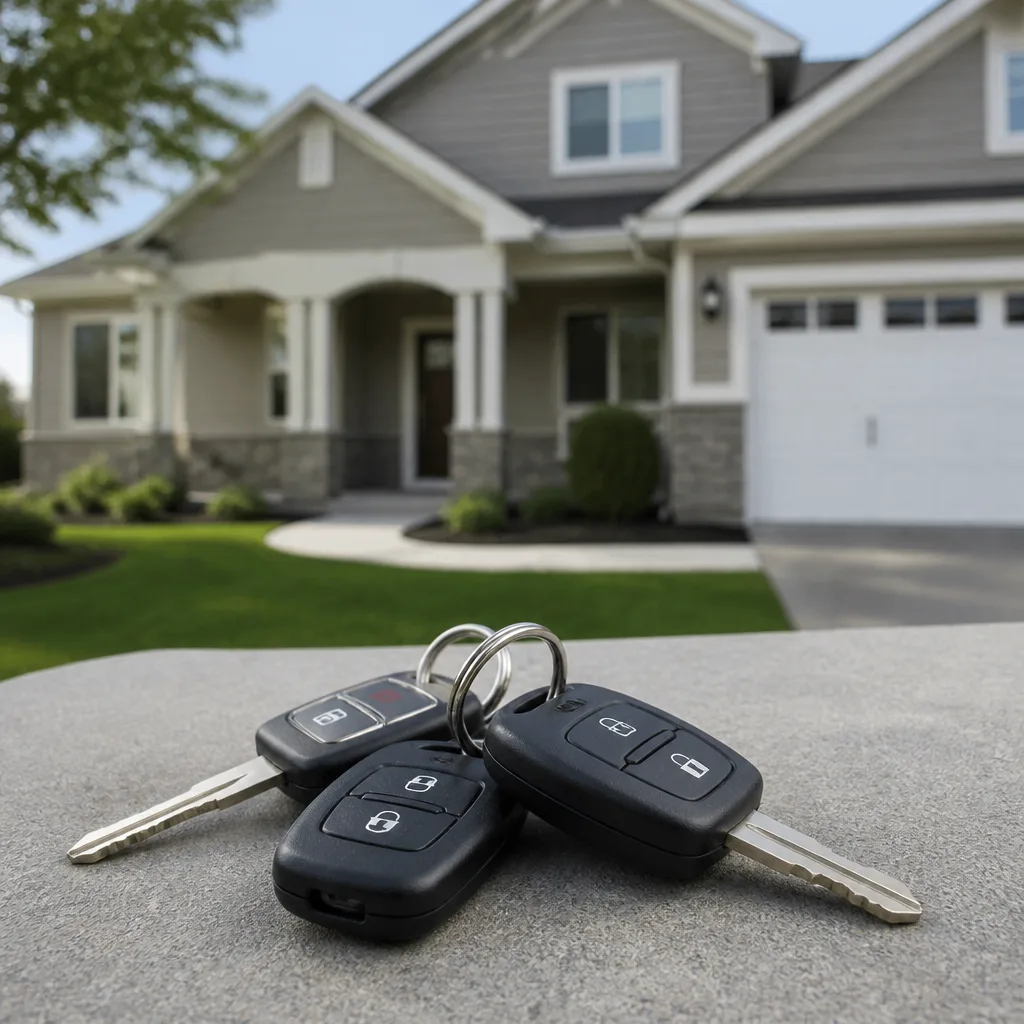 Car keys & fobs
Non-destructive entry first, always - and we re-key Schlage, Kwikset, and Baldwin locks on the spot while you watch
You get a price before we start. It does not change when we arrive. No surprises.
Get your free estimateCar Key Replacement Troubleshooting: Common Problems and How to Fix Them
A freshly cut, properly programmed key that still won’t start your car isn’t a locksmith failure. It’s almost always a dead transponder battery or a corrupted ECU token, both of which cost under $10 to fix if caught early. Most drivers in Riverside and beyond assume a new key means a solved problem, but the truth is more layered. This guide walks through the three overlooked failure points that plague Car Key Replacement services, how to identify them by dashboard behavior, and what you should demand from any locksmith before they pack up and leave. You’ll finish with a clear diagnostic framework that saves you time, money, and a second tow.
Quick Answer
When a replacement car key won’t work, the cause is usually one of three things: a failed transponder chip (the key turns but the engine won’t crank or cranks and dies), a synchronization failure between the key and the vehicle’s immobilizer (the dashboard security light stays on or flashes rapidly), or a corrupted pairing caused by low voltage during the programming sequence. Start with the simplest step: replace the key fob battery, then try the mechanical key in the door and ignition. If the dashboard security indicator behaves abnormally, you’re looking at a programming or receiver issue, not a bad key.
Styles & brands we work with
Table of Contents
- Programming Failure vs. Synchronization Failure: The Dashboard Light Tells You Which
- Why “Key Fob Not Detected” Usually Points to the Receiver Antenna, Not the Key
- How a Low Car Battery During Programming Corrupts the Pairing Process
- What to Demand From a Locksmith Before They Leave
- Three Scenarios Where Only a Dealership ECU Reset Will Work
- Five DIY Checks Before You Call Anyone
- The Cost of Ignoring a Failed Replacement: What We See in Riverside
Programming Failure vs. Synchronization Failure: The Dashboard Light Tells You Which
Not all key failures are created equal. Understanding which type you’re dealing with determines whether a mobile locksmith can fix it on the spot or whether you’re heading to a dealership service bay. The distinction matters because it changes the price tag by hundreds of dollars.
A programming failure means the key’s transponder chip was never successfully written to communicate with your vehicle’s immobilizer system. The key physically fits and turns, but the engine won’t start, or it starts and dies within two seconds. The dashboard security light (often shaped like a car with a key inside it, or a simple red LED near the instrument cluster) typically stays on solid or blinks in a slow, steady pattern. This is the “I don’t recognize this key” signal.
A synchronization failure is different. Here, the key was programmed correctly at some point, but the rolling code sequence between the fob and the car’s receiver has drifted out of alignment. This happens when buttons are pressed too many times while out of range of the vehicle, when the car battery is disconnected for extended periods, or when the key sits in a drawer for months. The dashboard indicator for a sync problem usually flashes rapidly or the car responds to the mechanical key but ignores the remote buttons entirely.
- Solid security light + engine cranks but won’t start = programming failure. The immobilizer doesn’t recognize the transponder code.
- Rapid flashing security light + engine starts with mechanical key but remote buttons dead = synchronization failure. The key needs re-syncing to the vehicle.
- No security light at all + remote buttons work but car won’t start = possible starter circuit issue unrelated to the key. Check the battery and starter relay first.
- Security light goes out but engine still won’t turn over = the key is recognized, but something downstream is failing. Look at the ignition switch or starter motor.
In Riverside, where temperatures regularly exceed 100 degrees in summer, we see a specific pattern: heat expansion causes marginal ignition switches to fail right after a key replacement. The customer assumes the new key is defective, but the real culprit is a six-year-old ignition cylinder that finally gave out in July. Our Greystone Locksmith home approach starts with reading the dashboard signals before touching the new key at all.
Why “Key Fob Not Detected” Usually Points to the Receiver Antenna, Not the Key
Your push-button start system relies on a low-frequency antenna mounted inside the cabin, typically near the center console or under the steering column. That antenna broadcasts a challenge signal. Your key fob receives it, responds with its coded reply, and the car authorizes the start. When the dashboard displays “Key Fob Not Detected” or “No Key Present,” the assumption is that the new fob is dead or defective.
In our experience, the fob is guilty maybe 30% of the time. The receiver antenna is the quiet culprit far more often than drivers realize.
Here’s why:
- Replacement fobs are tested at the factory. A new fob from a reputable source has already passed its transponder and RF checks. It’s not the weakest link.
- Receiver antennas are fragile. They sit exposed under trim panels and can be damaged by spilled drinks, wiring shorts, or simply old age. A 10-year-old receiver antenna in a car that’s spent its life parked in Riverside sun has baked through hundreds of thermal cycles.
- Signal interference is real. Aftermarket USB chargers, dash cams, and even certain phone mounts emit radio frequency noise that overpowers the fob’s weak signal. We’ve watched a $12 gas-station charger block a perfectly good fob from being detected.
- The antenna may need a reset, not replacement. Disconnecting the car battery for 30 minutes and reconnecting often clears the receiver module’s internal memory, resolving the “no key detected” message without any parts being swapped.
If you’ve already replaced the fob battery and the message persists, don’t pay for another key. Ask the technician to test the receiver antenna directly. A qualified automotive locksmith can connect a diagnostic tool and read the antenna’s signal strength in under five minutes. If the antenna is dead, replacing it costs a fraction of a new key and programming session. Our Car Key Replacement in Riverside service includes receiver diagnostics with every job, because we’ve seen too many drivers buy a second and third key when the antenna was the problem all along.
How a Low Car Battery During Programming Corrupts the Pairing Process
This is the failure point almost no one talks about, and it’s responsible for a significant portion of the “my new key worked yesterday but not today” calls we field in Riverside. The programming sequence that pairs a new transponder key or fob to your vehicle requires stable voltage throughout the entire process, which can take anywhere from 10 to 45 minutes depending on the vehicle. During that window, the locksmith’s programmer is communicating with the car’s ECU, writing new token data into the immobilizer’s memory.
If the car battery sits at 12.2 volts or lower (which is about 60% charge or less), the ECU may not hold the new data correctly. The key programs, the security light goes out, the car starts on the spot. Then the driver parks, comes back an hour later, and the car won’t recognize the key at all. The token did not survive the ECU’s power-off cycle.
This is why any competent locksmith checks battery voltage before starting a programming job. It’s also why you should replace a key proactively rather than waiting until your car battery is also on its last legs.
- Symptom: New key works immediately after programming, then fails within 24 hours.
- Cause: Car battery voltage dropped below the ECU’s write threshold during programming, corrupting the stored token.
- Fix: Charge or replace the car battery, then re-program the key with a stable power source connected.
- Prevention: Ask your locksmith to check battery voltage before programming. If it reads under 12.4 volts, insist on a charger being connected during the process.
Summer heat in Riverside accelerates car battery degradation. A battery that tests fine in January at 70 degrees can be marginal by July at 105 degrees. If you’re scheduling a key replacement during a heat wave and your battery is more than three years old, have it tested first. For The Complete Car Key Replacement Guide for Riverside Homeowners has additional prep tips. It costs nothing and prevents the exact scenario above.
What to Demand From a Locksmith Before They Leave
Most key replacement failures that drivers discover days later could have been caught in the driveway with three simple tests. A professional who rushes these checks is leaving you exposed to a repeat call, a tow, and a frustrating week.
Here’s what to require before you sign off on any car key replacement service:
- A live start test. The technician should start the car at least three separate times, with at least 30 seconds between starts. One start proves the key programs. Three starts proves the ECU retained the token through multiple power cycles.
- A lock/unlock cycle test. Every remote button should be pressed and verified: lock, unlock, trunk release, panic. The fob’s RF transmitter and the car’s receiver need to be confirmed working in both directions.
- Written confirmation of the key code used. This is the single most overlooked piece of documentation. A professional locksmith records the specific key code (also called the key cutting code or bitting code) on the invoice. If the key is ever lost or duplicated later, this code allows a correct copy to be cut without decoding the worn original. If a technician cannot or will not provide this code, you should question whether the key was cut correctly in the first place.
- A walk-around verification. The technician should manually verify that the physical key blade works in every lock: driver door, passenger door, trunk, and ignition. Transponder programming can mask a mechanical cutting error until the first time you try the door lock.
- Reasonable programming guarantees. Ask what happens if the key fails within 30 days. A reputable service stands behind its programming work with a re-service guarantee, not a “take it to the dealer” dismissal.
We treat these checks as non-negotiable on every Emergency Locksmith in Riverside call. The job isn’t done until all five are complete and you’ve seen them with your own eyes.
Three Scenarios Where Only a Dealership ECU Reset Will Work
There are situations where no amount of skill, programming equipment, or patience will make a replacement key work. These are the scenarios that require a dealership-level ECU reset or security module re-flash. Knowing them before you pay a mobile locksmith saves you a service call and a confrontation.
- A hard security lockout has been triggered. Some vehicles, particularly certain European and late-model domestic models, enter a total immobilizer shutdown after a set number of failed start attempts with unrecognized keys (usually 5 to 10). The ECU refuses all further key programming until a dealership tool performs a security reset. No aftermarket programmer can clear this state.
- The vehicle’s VIN does not match the ECU’s stored VIN. If the engine control unit has been replaced at any point (after a flood, collision repair, or electrical failure), the car may not accept any new key programming until both modules agree on the vehicle identity. This requires a dealership-level diagnostic tool.
- The key was lost or stolen, and the owner filed an insurance claim. In some cases, insurers require the vehicle’s immobilizer system to be re-flashed with a new security certificate before a replacement key is issued. This is an anti-theft measure that only a dealership with the manufacturer’s authorization can perform.
How to identify these before paying for service: if your dashboard security light never goes out, even after multiple battery disconnects, and the car has a known history of collision repair or flood exposure, ask for a dealership referral first. A mobile locksmith in Riverside can run a quick diagnostic and tell you within minutes whether the car will accept programming at all. We do this before taking a dollar on jobs where we suspect an ECU issue.
Five DIY Checks Before You Call Anyone
Before you pick up the phone, work through these five checks in order. They’re free, they take under 20 minutes total, and they resolve a surprising number of “failed” key replacements.
- Replace the fob battery with a known-good brand. Not all button cells are created equal. Cheap generic batteries can read full voltage with a multimeter but still fail under the load of transmitting. Use a Panasonic, Energizer, or Duracell cell, and make sure it’s seated with the correct polarity.
- Try the mechanical key in the door lock. If your remote has died but the physical blade works, the problem is isolated to the remote functions. If the blade doesn’t turn either, you have a mechanical key issue or the wrong key entirely.
- Disconnect the car battery for 10 minutes. This forces the ECU and receiver module to power-cycle fully. Reconnect and try the key again. Many “fob not detected” failures clear with this step alone.
- Move the key closer to the receiver antenna. Hold the fob directly against the start button or the steering column (wherever your car’s reader lives) and press start. If it works in that position but not from the seat, the key’s signal is weak or the receiver is failing.
- Remove aftermarket electronics from the cabin. Unplug USB chargers, dash cams, radar detectors, and anything else plugged into a 12V outlet. Test the key again. RF interference is more common in newer cars with push-button start.
If all five pass and the key still won’t work, you’re looking at a programming or hardware issue that needs a professional with diagnostic equipment. At that point, the fastest path is to call us at (866) 497-9415 and describe exactly which of these tests you performed. It shortens the diagnosis dramatically.
The Cost of Ignoring a Failed Replacement: What We See in Riverside
Drivers who put off fixing a key that works intermittently eventually face a bigger bill. Here’s what that looks like in practice.
A key that works “most of the time” usually has a marginal transponder chip or a failing fob battery. The vehicle’s immobilizer system is tolerant up to a point, but chips degrade. The day they fail completely is rarely convenient: we get calls from the parking lot at work, the grocery store plaza off Tyler Street, or the shoulder of the 91 freeway, where a tow costs more than the key replacement would have.
By the time a Riverside driver calls for help in that situation, the job often includes:
- Emergency dispatch fees, if the call is after hours or requires expedited response.
- Tow charges to get the vehicle to a safe programming location.
- Potential receiver antenna replacement, if the marginal fob was masking a broader issue.
- Lost time and missed work, which never shows up on an invoice but costs more than any key.
The lesson from hundreds of Riverside service calls: address intermittent key failures early. If your key works, then doesn’t, then works again, that’s not a quirk. It’s a component on its way out. A proactive replacement, done on your schedule with battery voltage stable and a professional running the show, costs less and takes 30 minutes. The alternative is waiting until the car won’t start at all, and paying for the urgency.
For drivers managing rental properties or a small fleet, the same logic applies. If you’re already having a locksmith out to Rekey Locks in Riverside after a tenant turnover, ask them to test your vehicle keys and fobs during the same visit. Consolidating the work saves a second trip charge and catches failing keys before they strand someone.
Common Mistakes to Avoid
- Buying a blank key online and assuming it will program itself. Transponder keys require professional-grade programming equipment and vehicle-specific procedures. An uncut, unprogrammed blank from an auction site is a plastic paperweight until a professional handles both the cutting and the coding.
- Replacing the car battery right before the locksmith arrives. If you disconnect the battery and reconnect it incorrectly, or if the replacement battery is weak, you’ve just introduced a new variable into the programming process. Do any car battery work after the key is programmed, not before.
- Ignoring a security light that stays on after a successful start. That indicator means the immobilizer system is in a degraded state. The key may work today and fail tomorrow. Have it diagnosed immediately while the car is still starting.
- Assuming all keys are the same price. A basic transponder key for a domestic sedan is a very different job from a proximity fob with push-button start for a late-model import. Ask for the quote before work begins and understand what type of key your car uses.
- Not asking for the key code. If the technician can’t provide the key cutting code on the invoice, you’ll pay to have the key decoded again next time. Documentation is part of professional service.
- Testing a new key only in the ignition. Verify it in every lock. A key that works in the ignition but not the door suggests a mechanical cut issue that will worsen over time.
When to Call a Professional
If you’ve worked through the five DIY checks and the key still fails, or if your dashboard security light has been flashing for more than a day, it’s time to bring in someone with diagnostic equipment. The same applies if you’ve had two replacement keys fail in a row: that pattern points to a vehicle-side issue, not two defective keys.
Greystone Locksmith offers free estimates in Riverside. Call (866) 497-9415, describe the symptom in plain terms (what the dashboard light does, whether the car starts, whether the remote works), and we’ll tell you over the phone whether you’re looking at a programming fix, a receiver issue, or a dealership referral. No dispatch fee for the estimate, and the price you’re quoted is the price on the invoice.
Frequently Asked Questions
A basic transponder key replacement in Riverside typically runs $85 to $180, while a proximity fob with push-button start programming runs $180 to $350 depending on the vehicle’s year and security system. The full price is quoted on the phone before anyone is dispatched, and that is the price on the invoice. Call (866) 497-9415 for a free estimate with no call-out surcharge added on arrival.
Yes, an intermittent key is usually a replaceable fob battery or a failing transponder chip, both of which a qualified automotive locksmith can diagnose in minutes. The fix is often a new battery or a re-programmed key, not a full replacement. We recommend addressing it before it fails completely in a parking lot.
Our emergency response covers the Riverside area with dispatch available when you need it, not just during business hours. Response time varies by your location and current call volume, but we quote a realistic arrival window when you call (866) 497-9415. We don’t promise a 15-minute arrival and show up in 45; we tell you the truth up front.
Ask what equipment they use and whether it covers your vehicle’s make, model, and year. A qualified automotive locksmith works with vehicle-specific diagnostic tools, not universal blanks from a hardware store. See Choosing the Right Locksmith Brand: A Buyer’s Guide for Riverside for what to look for in equipment. At Greystone Locksmith, our technicians work across eight major lock brands including Medeco, Mul-T-Lock, and Abloy hardware, and we carry automotive programming equipment for a wide range of vehicles. If we can’t do the job, we say so before you pay anything.
The most common cause is a failing receiver antenna in the vehicle, not the fob itself. Interference from aftermarket electronics is a close second. Disconnect the car battery for 10 minutes, remove aftermarket chargers, and try holding the fob directly against the start button. If the problem persists, the receiver needs diagnostic testing.
Yes. We carry programming equipment for a range of automotive security systems, and our experience with high-security hardware brands like Medeco, Mul-T-Lock, and Abloy means we approach automotive work with the same precision we bring to commercial-grade security. The technician who arrives is prepared for the job at hand, not learning on your vehicle.
The Bottom Line
Most car key replacement failures are diagnosable in under an hour if you know which signal to read. Watch the dashboard security light: solid means programming failure, flashing means synchronization drift, and “key not detected” with a fresh fob battery means the receiver antenna is the prime suspect. Demand the five checks before a technician leaves: three live starts, a complete lock/unlock cycle, written key code documentation, a full walk-around, and a clear guarantee. And if the key works right after programming but fails the next day, check your car battery voltage before blaming the key. In Riverside’s summer heat, that’s the silent variable that corrupts more replacements than any defective fob. Work through the DIY checks, know when a dealership reset is unavoidable, and call a professional with the right diagnostic equipment when the pattern says vehicle-side issue. Find more guides & resources on our blog. The goal isn’t to avoid the locksmith. It’s to arrive at the phone call knowing exactly what you’re looking at.
Written by the team at Greystone Locksmith, serving Riverside since 2011.