
Last updated October 30, 2026
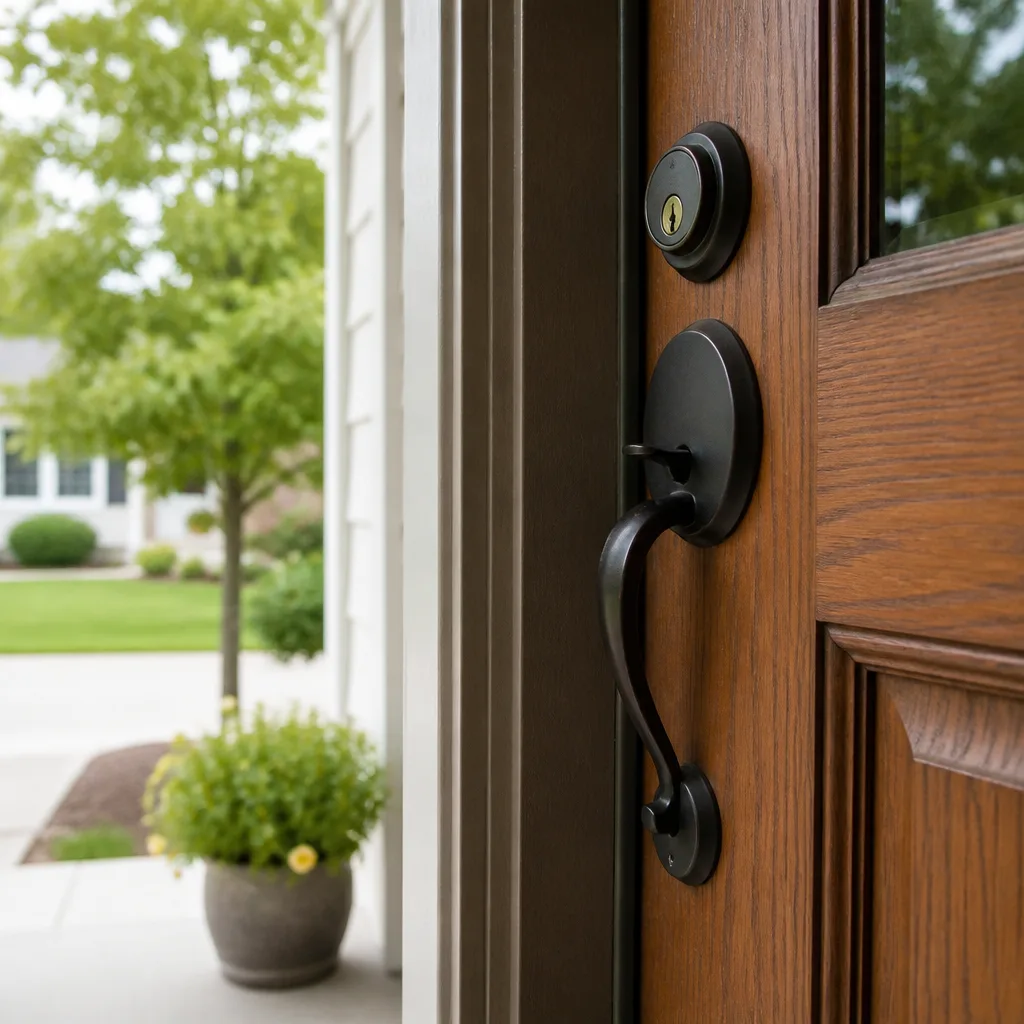 House lockouts
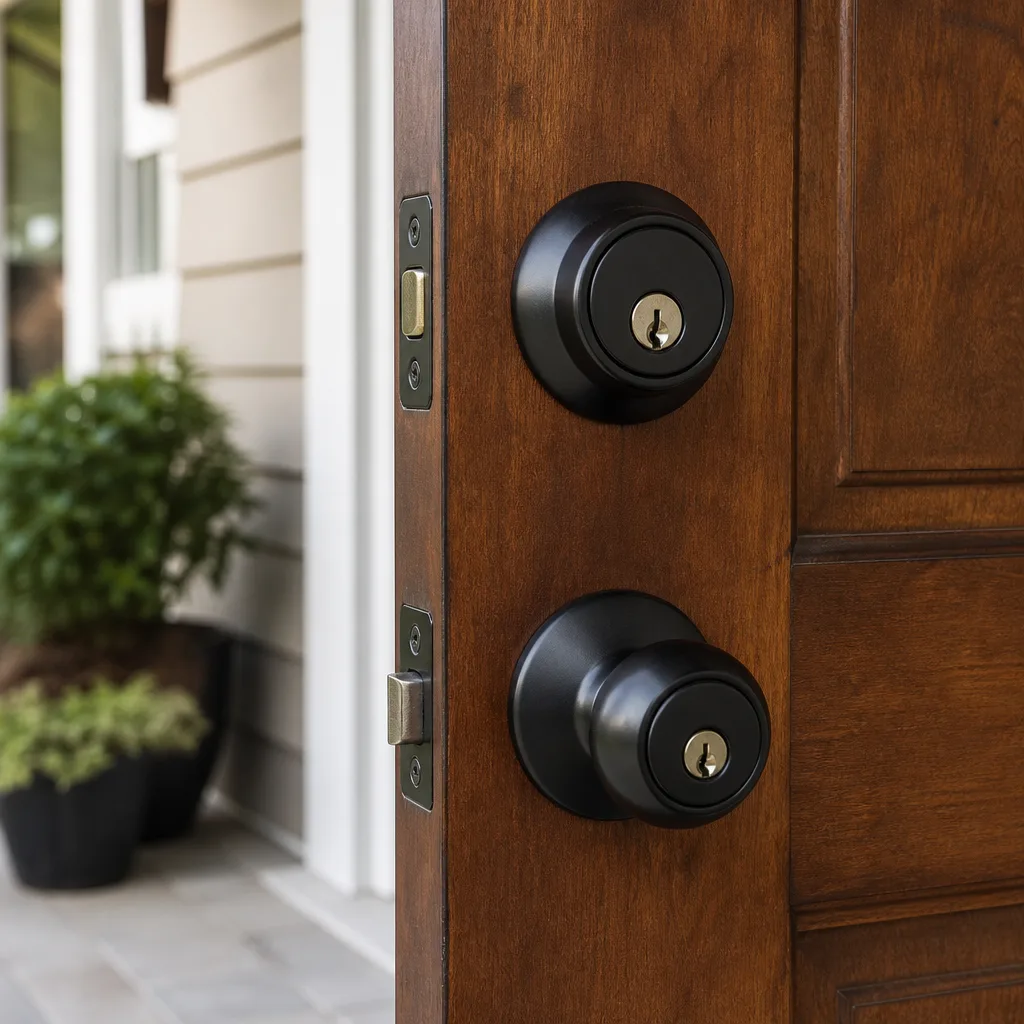 Re-keying
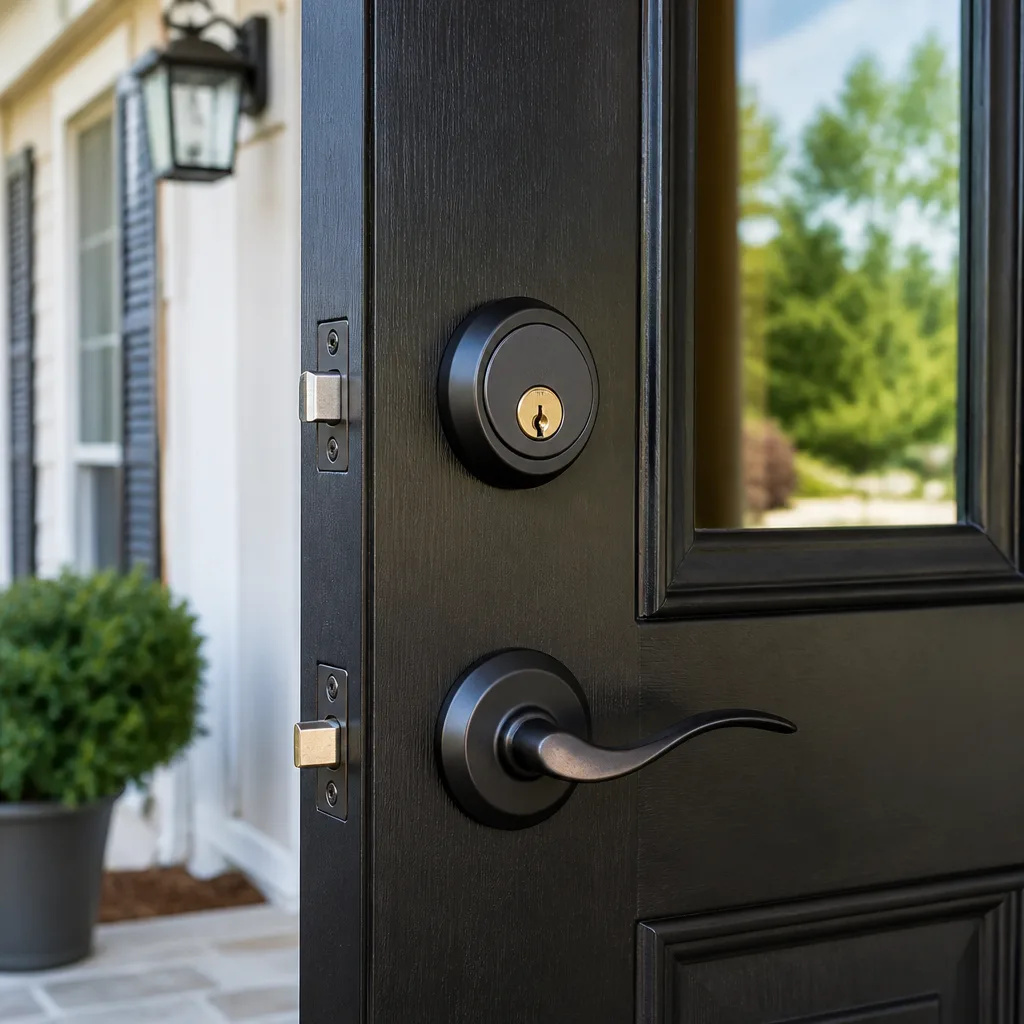 Deadbolt upgrades
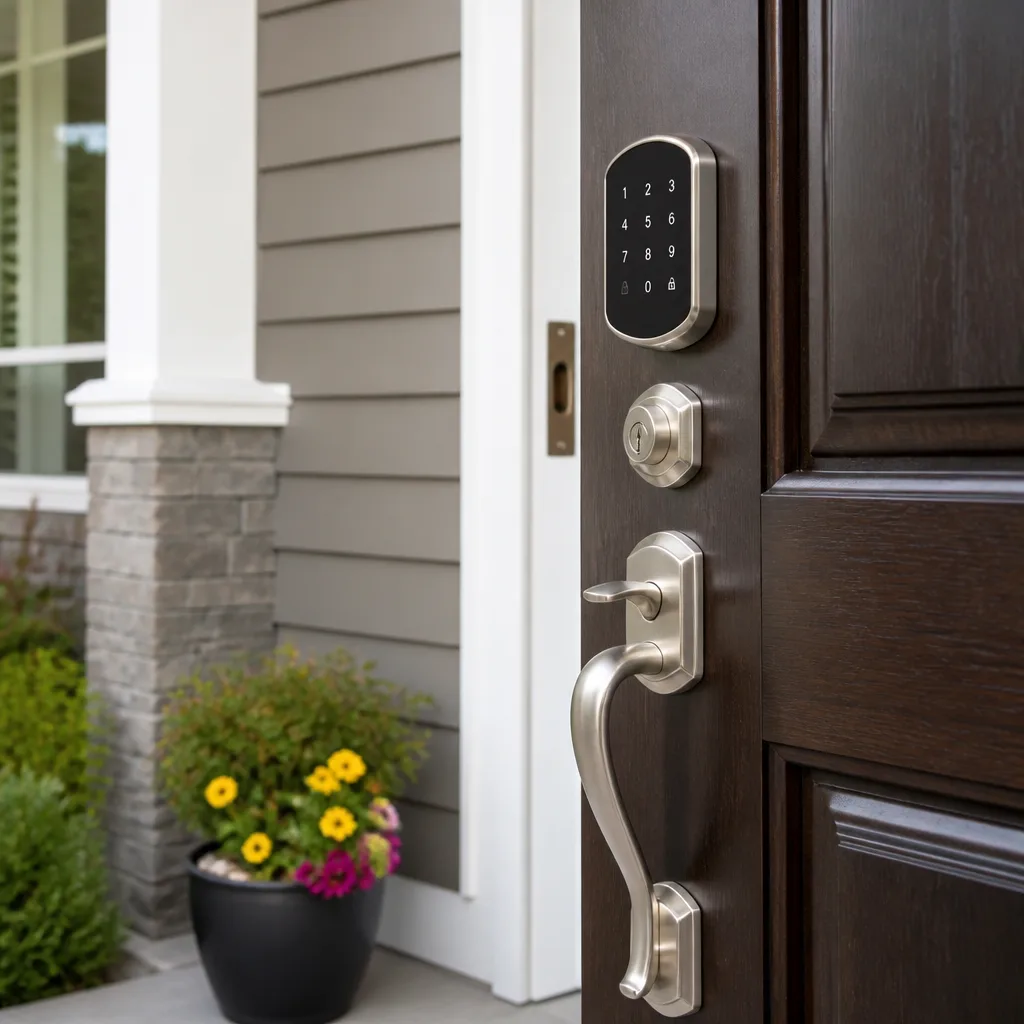 Smart locks
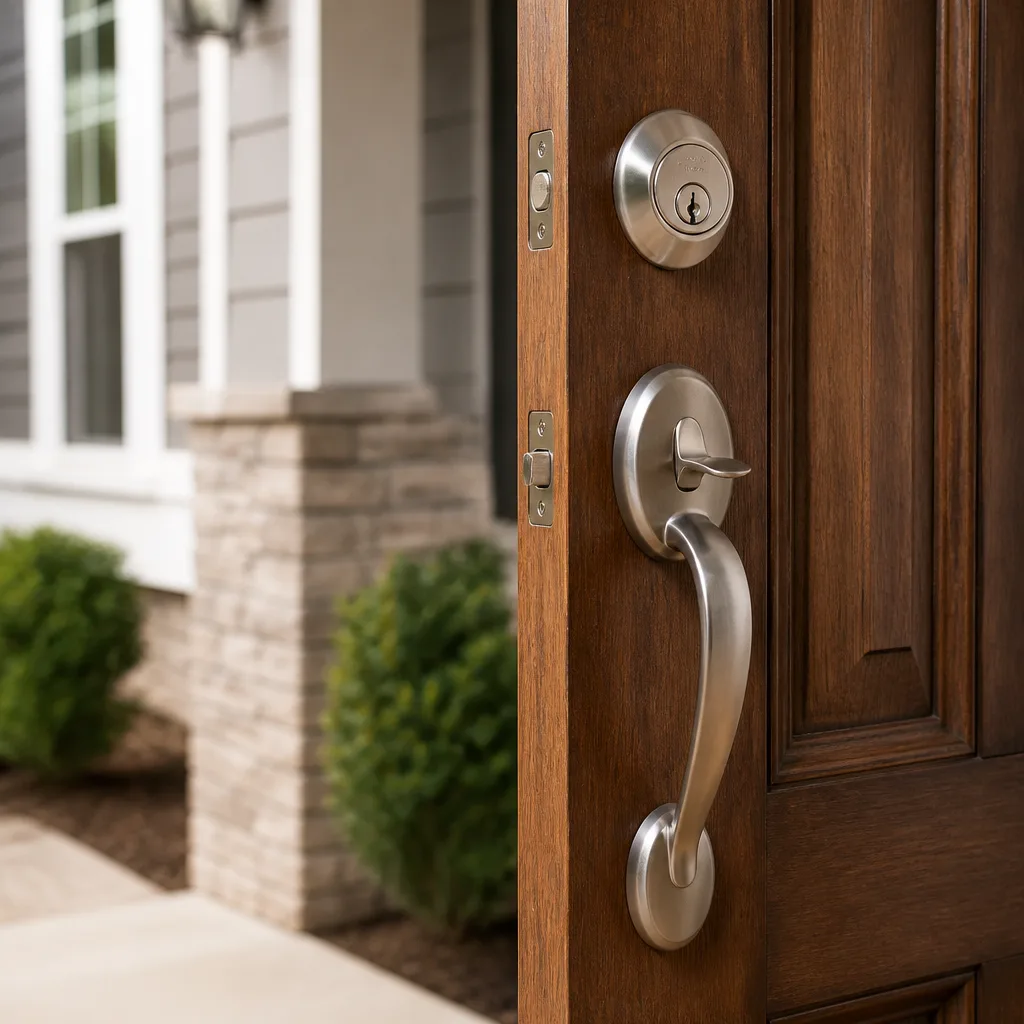 Schlage
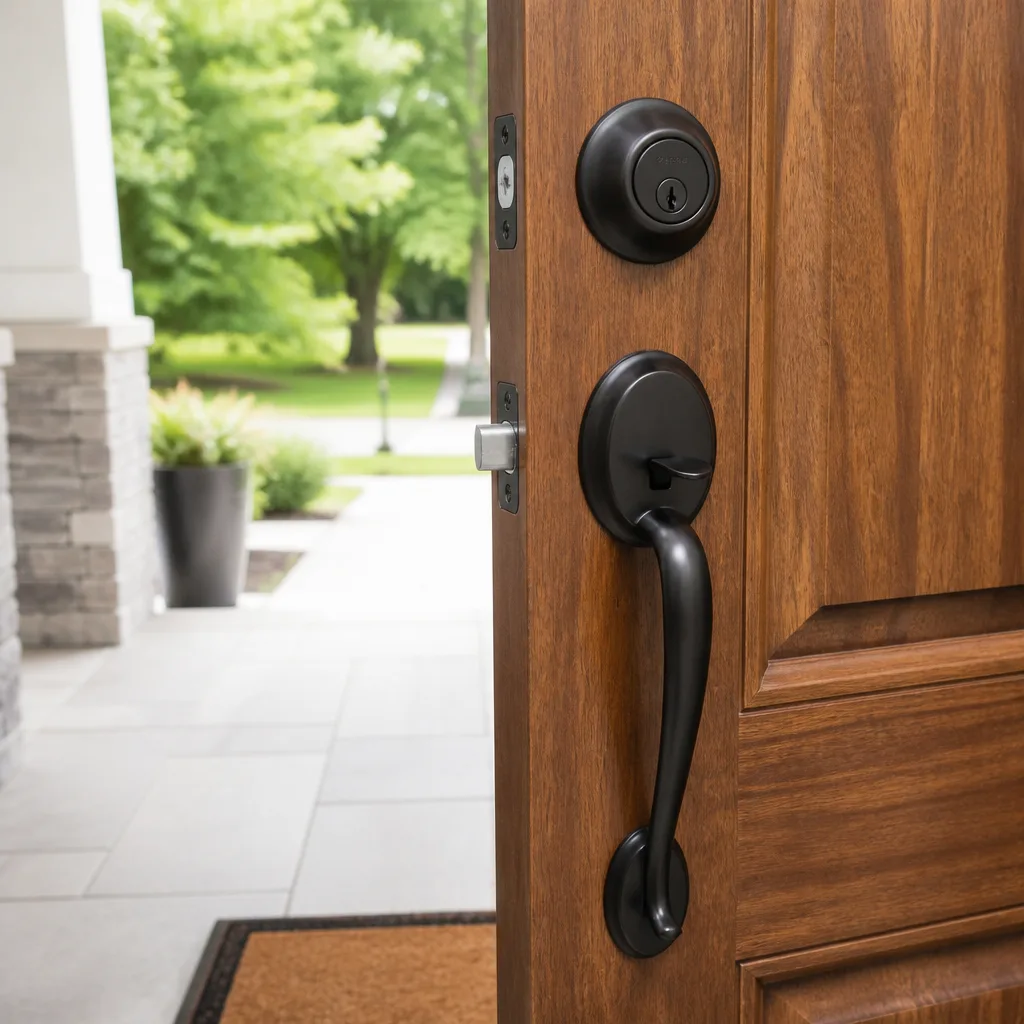 Kwikset
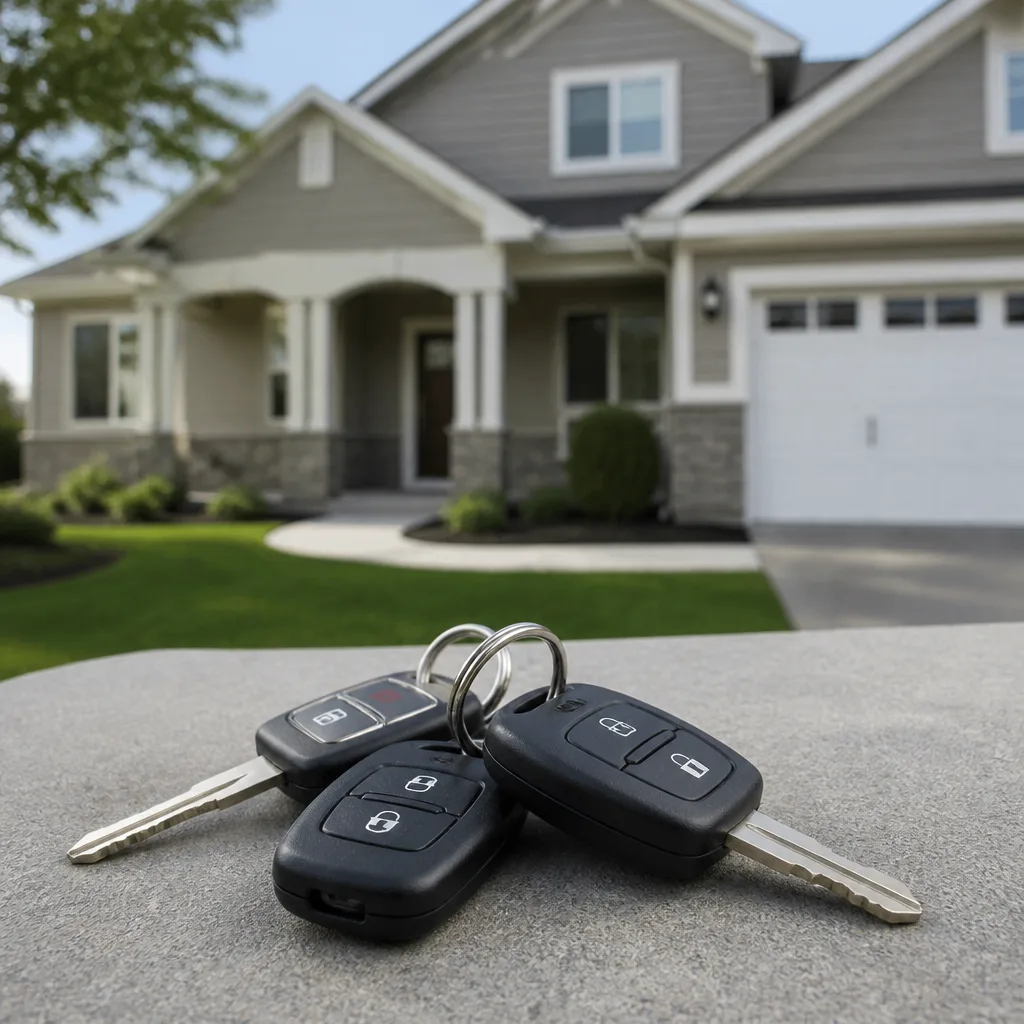 Car keys & fobs
Non-destructive entry first, always - and we re-key Schlage, Kwikset, and Baldwin locks on the spot while you watch
You get a price before we start. It does not change when we arrive. No surprises.
Get your free estimateThe Complete Car Key Replacement Guide for Riverside Homeowners
Here’s a number most Riverside drivers find hard to believe: fewer than one in ten know to read their VIN before calling about a lost or broken car key. That 17-character code stamped on your dashboard tells a locksmith the key type, the transponder frequency, the programming protocol, and whether the job can be done in your driveway or requires a tow. Armed with it, you can cut through two hours of phone calls to dealerships in Moreno Valley and Ontario and get a straight answer in minutes. This Complete Guide to Locksmith in Riverside walks you through the four key types, the real costs in the Riverside market, the makes that fight back, and the exact questions to ask before anyone touches your car. By the end, you’ll know more about your vehicle’s key system than the average service advisor.
Styles & brands we work with
Quick Answer
Car Key Replacement in Riverside costs between $90 and $450 for most vehicles, depending on whether you have a basic metal key, a transponder chip key, a proximity fob, or a smart key. A mobile locksmith can typically cut and program a replacement at your home or workplace in under an hour, while a dealership will charge 30-60% more and often require two trips or a tow. The single most important thing you can do before calling anyone is write down your VIN, because it unlocks exact pricing and confirms whether your vehicle can be serviced outside a dealership.
Table of Contents
- Know Your Key Type Before You Call
- How to Find Your Key Type Using the VIN and Door Panel
- Why Riverside’s Geography Changes the Math
- The Immobilizer Module: Why a Cut Blade Alone Won’t Start Your Car
- Locksmith-Unfriendly Makes and Model Years
- The Pre-Call Checklist That Saves You Money
- Post-Replacement Verification Checklist
- Common Mistakes to Avoid
- When to Call a Professional
- Frequently Asked Questions
- The Bottom Line
Know Your Key Type Before You Call
Every car key on the road in Riverside falls into one of four categories. The category determines the price, the time, and who can do the work. If you call a locksmith and say “I need a car key,” the first follow-up question will be “what year, make, and model?” and that answer alone usually pins it down. But knowing the category yourself changes how you shop for the service.
Basic metal keys. These are the simplest and cheapest to replace, usually running $8 to $25 for the key itself. Vehicles made before roughly 1996, plus a handful of budget models made after, use a plain cut key with no electronics. If your key looks like a house key on a larger scale, you’re in this category. A locksmith cuts it on a machine in about five minutes. No programming, no waiting.
Transponder chip keys. From the mid-1990s through roughly 2015, most manufacturers embedded a tiny radio-frequency chip in the plastic head of the key. The chip sends a unique code to the car’s immobilizer when you turn the ignition. If the code doesn’t match, the engine cranks but won’t fire. These keys cost $10 to $30 for the blade, plus $50 to $120 to program the chip to your specific vehicle. The programming is where mobile locksmiths earn their fee: it requires diagnostic equipment plugged into your OBD port, not just a cutting machine.
Proximity fobs. Push-button start vehicles made between roughly 2010 and 2018 use a fob that stays in your pocket or bag. The fob broadcasts a low-frequency signal the car recognizes when you’re inside. If the fob battery dies, most vehicles have a hidden physical key blade inside the fob for the door, but starting the engine still requires a working fob. Replacement fobs run $150 to $300 because the fob itself is an electronic unit, not just a passive chip.
Smart keys. The newest category blurs the line between fob and phone. Smart key systems use Bluetooth, NFC, or ultra-wideband to communicate with the vehicle, often through an app on your phone. Some luxury models now ship with no physical key at all. Smart key replacement and programming typically falls between $250 and $450. A handful of 2023 and newer models require dealer-only software, which changes your options entirely and is covered below.
How to Find Your Key Type Using the VIN and Door Panel
Two places on your vehicle tell you everything a locksmith needs to know before they arrive. Neither requires a mechanic’s knowledge to locate.
The VIN. Your Vehicle Identification Number is stamped or printed in several places, but the most reliable is the metal plate visible through the windshield on the driver’s side where the dashboard meets the glass. It’s also on the driver’s side door jamb sticker. The VIN is 17 characters and looks like a random mix of letters and numbers. Digits four through nine identify the body style, engine code, and security system. A locksmith plugs this into the manufacturer’s data network and pulls up the exact key blank, transponder frequency, and programming procedure for your specific car, not just your model.
The door panel code. On most vehicles made after 2005, the inner door panel on the driver’s side has a sticker or engraved code, often a 4- to 6-digit number or a letter-number combination, separate from the VIN. This is the key code. On Honda, for example, it’s typically printed on a sticker near the latch mechanism. On Toyota, it may be inside the glovebox. If you can locate and provide this code, a locksmith can cut a replacement key to factory tolerances without needing the original to copy from. That matters because a heavily worn original produces a copy that’s slightly off and may stick in the ignition or door lock.
When you call for a replacement, have both the VIN and the key code ready if you can find them. At a minimum, the VIN. It’s the difference between a 90-second phone call with an exact quote and a phone tree where you describe your car to three different people and get three different numbers.
Why Riverside’s Geography Changes the Math
Riverside sits in a strange middle ground for car key work. The dealerships are clustered east and west of the city, not in it. That matters when you’re weighing your options.
If you own a Honda, Toyota, or Ford, the nearest dealership may be in Moreno Valley, roughly 15 minutes from downtown Riverside without traffic. Riverside’s I-215 and 91 corridors mean that 15 minutes can become 40 during rush hour. Dealerships also generally require the vehicle physically present at the service department, which means either driving it there or paying for a tow if you have no working key. Two trips: one to drop off, one to pick up.
Ontario, home to several dealerships that serve Riverside, adds another layer of time. Ontario is a 30-40 minute drive each way depending on where you’re starting from in Riverside. If you are already without a working key, that trip requires a rideshare, a friend, or a tow truck. The dealership quote may look competitive on the phone, but the hidden cost shows up in your time and the logistics of getting the car there.
A mobile locksmith flips that entirely. The technician drives to your driveway, your office parking lot, or wherever the car sits and does the cutting and programming on-site. We routinely handle car key replacement in Riverside in under an hour, including vehicles that would otherwise spend half a day being shuttled to Moreno Valley or Ontario. The equipment that used to live only in dealership service bays now fits in a work van, and competent automotive locksmiths carry it with them. The job doesn’t require a lift or a full shop, which is what most drivers don’t realize until they’ve already lost a Saturday.
The Immobilizer Module: Why a Cut Blade Alone Won’t Start Your Car
The most common misunderstanding we encounter goes like this: a customer loses their transponder key, buys a cheap uncut replacement online for $12, takes it to a hardware store to be cut, and then finds that the key opens the door but the engine won’t start. The key turns, the dashboard lights up, the starter cranks, and nothing happens. The car’s immobilizer module is doing exactly what it was designed to do.
Here’s how it works. Every transponder-equipped vehicle has an immobilizer module, usually tucked behind the steering column or integrated into the ECU. When you insert a key and turn it, the module sends out a short-range radio pulse. The chip inside the key’s plastic head captures that pulse and echoes back its unique digital signature. The module compares the signature to a list of authorized keys stored in its memory. If the signature matches, the module tells the engine computer to allow fuel delivery and ignition. If it doesn’t match, the module stays silent and the engine never fires.
The physical cut of the blade and the electronic programming are two separate tasks. A hardware store can copy the blade. That’s mechanical. Nearly none of them can program the chip, because the programming requires diagnostic equipment that reads and writes to the immobilizer through the OBD port. The $12 online key arrives with an unprogrammed chip, which is functionally identical to having no chip at all.
This is also why a key from a salvage yard or a previous owner doesn’t just bolt into a different car. The chip is married to the specific immobilizer module in the original vehicle. Unless the module is swapped too, which opens a different and far more expensive can of worms, the used key is a paperweight.
Locksmith-Unfriendly Makes and Model Years
Not all vehicles are created equal from a locksmith’s perspective. Certain makes and model years are flagged in the industry as “locksmith-unfriendly” because the manufacturer restricts key programming to their proprietary systems. Knowing which bucket your car falls into determines whether you’re calling a locksmith or scheduling a tow to a dealership.
Dealer-only programming. Some European manufacturers, particularly BMW, Mercedes-Benz, and Audi from recent model years, encrypt their immobilizer data behind a live connection to the manufacturer’s server. The locksmith’s diagnostic tool must authenticate in real time with the factory system, which many independent tools can’t do. For these vehicles, even an experienced locksmith with advanced equipment may have to refer you to a dealership. The honest ones will tell you this on the phone before you pay for a service call.
OBD port access required. A broader group of vehicles can be programmed by a locksmith, but only through the OBD port with a specialized tool. This includes most domestic and Asian brands from the mid-2000s onward: Chevrolet, Ford, Toyota, Honda, Nissan, Hyundai, Kia. The programming pulls the immobilizer PIN from the vehicle’s computer and writes new key data directly. It’s not a problem, but it does require the technician to plug into the port, which means the car needs battery power. If your battery is dead, the locksmith may need to jump it or you may need a new battery before programming can proceed.
Keyless-go complexity. Proximity fob and smart key vehicles add wireless range programming on top of the immobilizer work. The fob must be paired to the vehicle’s keyless entry module, not just the immobilizer. That’s a second set of procedures and a second failure point. Some fobs can be cloned, some cannot, and the difference is not obvious from the outside. This is the category where a phone call to a locksmith with a clear description of your vehicle saves real money, because a dealership will price the same job as “parts plus two hours labor plus programming fee” and you’ll never see the breakdown.
The Pre-Call Checklist That Saves You Money
Before you dial any phone number, gather these six pieces of information. They turn a vague inquiry into a firm quote, and they signal to the person on the other end that you know what you’re talking about, which is its own form of protection against overpricing.
- The VIN. Read it off the dashboard plate and write it down exactly. Seventeen characters, no guesswork.
- Year, make, and model. The VIN encodes this, but saying it aloud speeds things up.
- Key type. Basic metal, transponder, proximity fob, or smart key. Use the descriptions from the first section above.
- Do you have a working key or not? This changes everything. If a single working key exists, programming can often be done by adding the new key to the existing set. If all keys are lost, the technician may need to perform a full immobilizer reset, which takes longer and costs more.
- Where is the car located? Street parking, driveway, garage, parking structure. Access matters for a mobile technician.
- Is the battery charged? As noted, programming through the OBD port requires vehicle power. If the car has sat for weeks, mention it.
With that list in hand, any reputable locksmith can give you a firm price on the phone. Greystone gives the full quote before anyone is dispatched, and that’s the price on the invoice: no call-out surcharge added on arrival, no “parts turned out to be more” story. The car key trade has a known history of bait pricing, and the way around it is refusing to do business with anyone who won’t commit to a number before the truck rolls.
Post-Replacement Verification Checklist
A new key isn’t done until you’ve verified every function. Run through this list while the technician is still at your vehicle, because catching a pairing issue then is a five-minute fix. Catching it after the van has left is another service call.
- Door lock and unlock. Test the physical blade in the driver’s door and, if applicable, the passenger door. Some vehicles use separate cylinders and a worn second cylinder may stick.
- Trunk or hatch release. Many keys have a separate groove or button for the trunk. Test it twice.
- Ignition turnover. Insert the key and turn to the run position. Confirm the dashboard lights come on and the fuel gauge needle moves.
- Engine start. This is the real test. The engine should fire within the normal time it always took. If it cranks for longer than usual or fails to start on the first attempt, the chip may not be fully synced.
- Remote buttons. If your key has lock, unlock, panic, or trunk buttons, function test every one from both near the vehicle and from 20 feet away.
- Proximity detection. For push-button start vehicles, sit in the driver’s seat with the fob in your pocket and confirm the vehicle recognizes the fob without you taking it out.
- Old key status. If you replaced a lost key rather than adding a duplicate, confirm that the old key no longer works, either because it’s gone or because the immobilizer was reset. Some customers request that the lost key be erased from the vehicle’s memory for security. Ask if this was done.
We run this exact checklist on every automotive job, before we call it complete and before an invoice changes hands. You’re entitled to a technician who doesn’t rush the final two minutes.
Common Mistakes to Avoid
- Calling a dealership first without calling a locksmith for a comparison quote. Dealerships price keys as parts plus shop labor plus programming, and the disparity can be $200 or more. A five-minute phone call to a mobile locksmith costs nothing and gives you the real market number.
- Buying an uncut key online before understanding programming. That $12 eBay key won’t start the car until its chip is programmed, and many online sellers conveniently skip that part in the listing. We get called for “cheap key won’t start” jobs on a regular basis in Riverside.
- Not recording the VIN when keys still work. Everyone thinks they’ll never lose their keys. Everyone is occasionally wrong. A photo of the VIN plate on your phone costs ten seconds and saves a real headache later.
- Assuming a hardware store key will work for any car. Hardware stores cut basic metal keys reliably. Transponder and proximity keys are outside their capability, and some will cut the blade anyway, leaving you with a key that opens doors but won’t start the car.
- Accepting a phone quote without confirmation it’s the final price. Bait pricing persists in this trade. Ask the direct question: “Is the number you just gave me the full amount including the service call?” If the answer hedges, call someone else.
- Letting a low battery complicate things. A dead car battery halts OBD-port programming. If your battery is on its last legs, replace or jump it before the locksmith arrives, or tell them ahead of time and let them coach you.
- Skipping the post-replacement function test. Once the technician drives away, a pairing issue is no longer a quick fix. Run every test in the checklist above before the job is signed off.
When to Call a Professional
Car key situations split cleanly between jobs you can handle yourself and jobs you should not attempt, as detailed in our DIY vs Professional Locksmith: The Riverside Homeowner’s Decision Guide. Replacing a basic metal key for an older vehicle with a trip to a hardware store is reasonable, assuming you’ve confirmed there’s no chip in the old key. Replacing a fob battery is a DIY job for most models, as is reattaching a loose key ring. Beyond that, call someone who does this work every day.
Lost transponder key, lost proximity fob, snapped key blade, key stuck in the ignition, all keys lost, or a car that cranks but won’t start after using a new key: these are professional jobs. The equipment to program an immobilizer costs more than most people’s cars, and the learning curve is measured in years. Greystone Locksmith offers free estimates for Riverside drivers: call (866) 497-9415 and you’ll get a firm price on the phone before anyone is dispatched.
High-security and commercial-grade work extends to the same standard. We work on Medeco and Schlage high-security systems with the same fluency we bring to automotive jobs, which is worth remembering if your car key problem coincides with a rekey for your Riverside home or business.
Frequently Asked Questions
Car key replacement in Riverside typically costs between $90 and $450, broken down as: basic metal keys $90-$150, transponder chip keys $150-$250, proximity fobs $250-$350, and smart keys $300-$450. The wide range reflects differences in key type, vehicle make, and whether any working key remains. Call us at (866) 497-9415 for an exact quote, or browse more guides & resources for additional help: estimates are free and the price you’re quoted is the price on the invoice.
Yes, most car key replacements in Riverside are completed the same day, often within an hour of the service call. Mobile locksmiths carry the cutting and programming equipment in their vans, so the work happens at your location rather than a shop. The exceptions are certain dealer-only European models that require factory server access, which may take an extra day to coordinate.
The price quoted on the phone is the final price, period. No call-out surcharge added on arrival, no “discovered problem” markup once the technician sees the car. The VIN tells us everything we need to price the job correctly from the start. This is a direct response to the bait-pricing reputation the car key trade has earned, and it’s how we operate on every job in Riverside.
No. Mobile locksmiths come to your location: driveway, street parking, office lot, anywhere in Riverside. The cutting and programming equipment is vehicle-mounted. The only exception to the no-tow rule is a vehicle that has been in an accident or otherwise can’t be accessed safely where it sits, which is a different service call entirely.
Almost certainly the immobilizer chip was never programmed, or was programmed incorrectly. The physical key turns the ignition and the starter engages, but the engine computer refuses fuel and spark because it hasn’t received the correct transponder signature. The fix is programming the chip to your vehicle’s immobilizer module through the OBD port, which is a standard mobile locksmith service.
Yes, when the locksmith uses OEM or OEM-equivalent blanks and proper programming equipment, the key functions identically to a dealer-supplied key. The blade is cut to the same factory specifications, sourced from your vehicle’s key code, and the chip or fob is programmed to the same immobilizer and keyless modules. The main difference is that Greystone comes to your Riverside location instead of you towing to a dealership, and the price reflects that efficiency.
Call a mobile locksmith directly. You don’t need the car towed to a dealership. A locksmith can cut a new key from the VIN, create a new physical key, and perform a full immobilizer reset on-site. Our emergency locksmith service covers Riverside for exactly this situation: you’re stranded with no key, and you need a working vehicle sooner than a dealership can see you.
Yes. Vehicles made before roughly 1996 use basic metal keys with no transponder chip, and those can be cut in minutes from the key code or by copying the existing key. The process is mechanical only, no programming step. Greystone carries blanks for common older domestic and imported models and can cut them on-site.
The Bottom Line
Car key replacement in Riverside doesn’t have to be a $500 dealership bill or a week without your vehicle. The difference between a good experience and a bad one comes down to what you know before you pick up the phone. Know your key type. Read your VIN. Understand that a cut blade without programming is worthless on any modern car. Know which vehicles play nice with independent locksmiths and which don’t. Run the verification checklist before the technician leaves. And speak with someone who will give you a flat price on the phone, not a teaser number that grows on arrival. The right locksmith will make the whole process feel boring, which is exactly what you want when you’re standing in a parking lot with no working key. For Riverside drivers, call (866) 497-9415 for a free estimate: we’ll tell you the exact quote before anyone is dispatched, and that’s the amount on the invoice.
Written by the team at Greystone Locksmith home, serving Riverside since 2011.