
Last updated October 30, 2026
 Smart locks
 House lockouts
 Re-keying
 Deadbolt upgrades
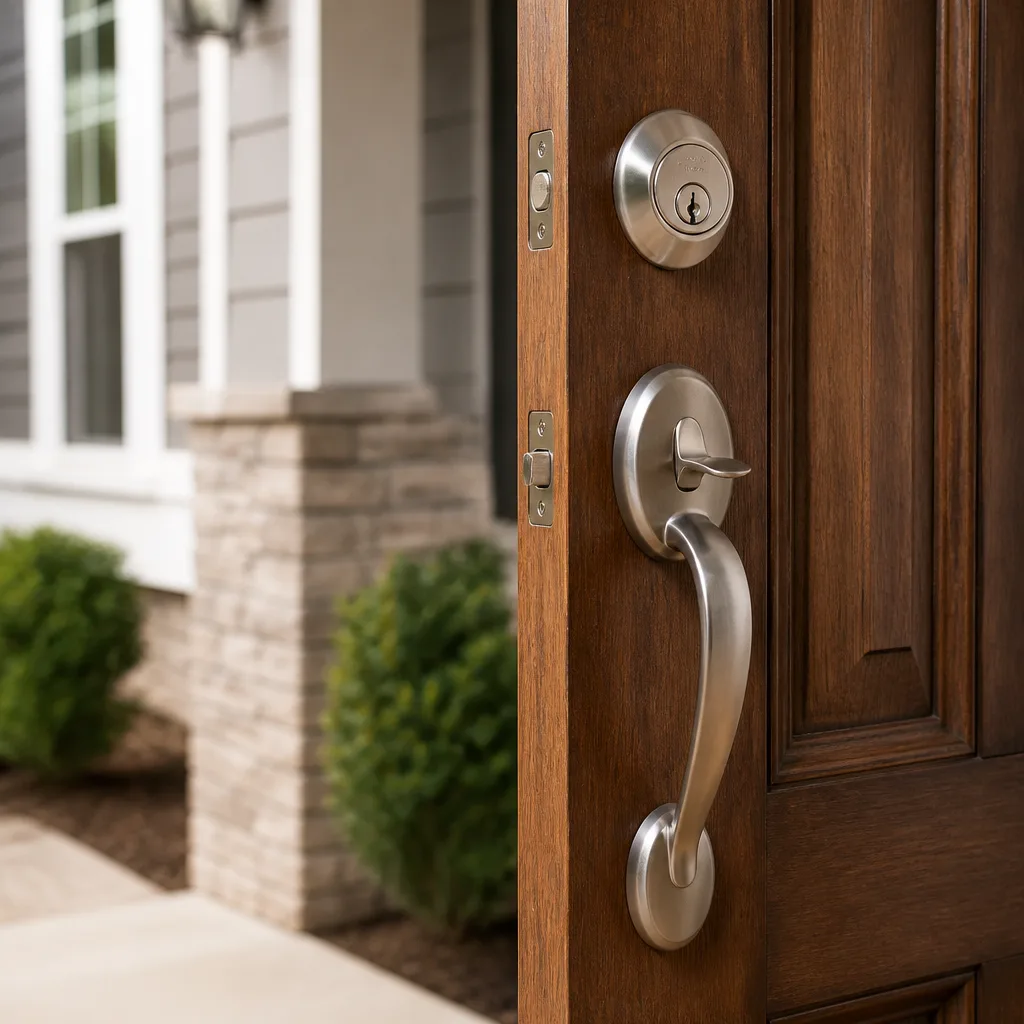 Schlage
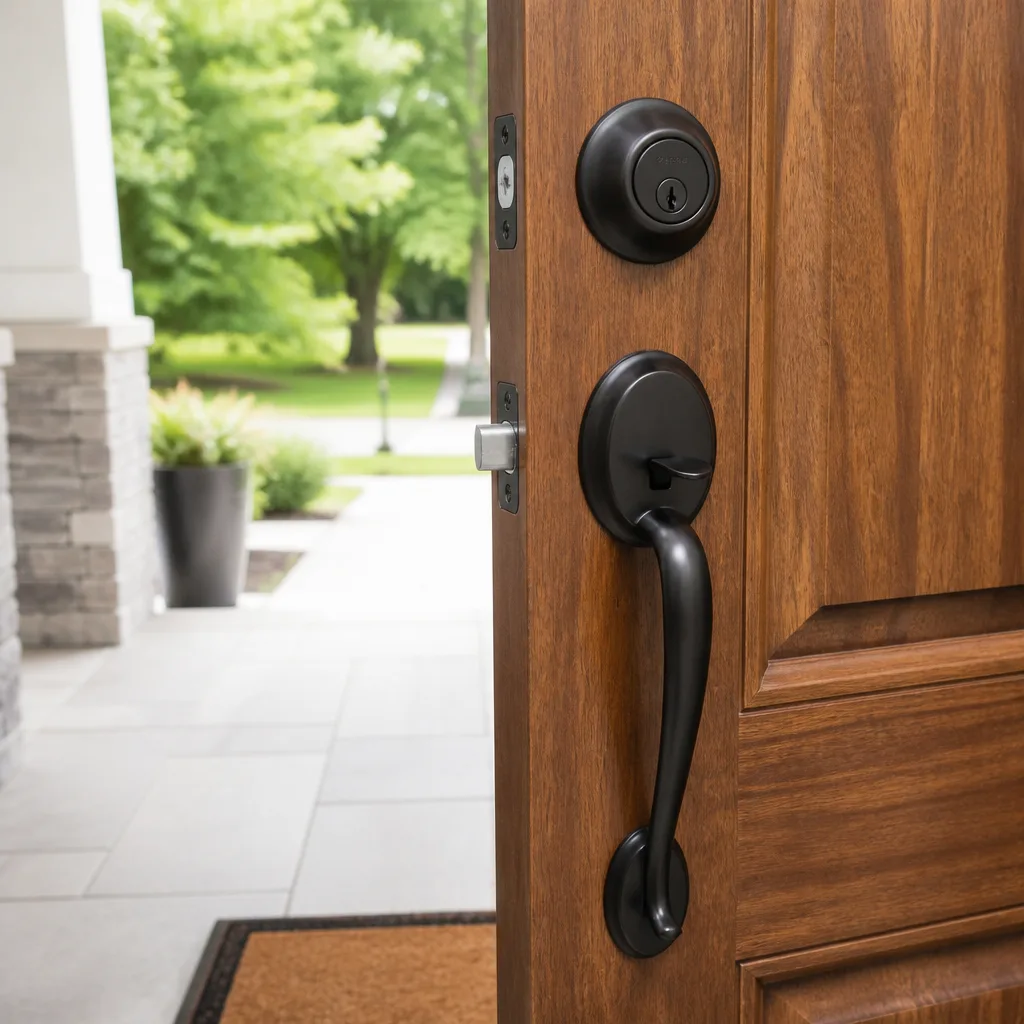 Kwikset
 Car keys & fobs
Non-destructive entry first, always - and we re-key Schlage, Kwikset, and Baldwin locks on the spot while you watch
You get a price before we start. It does not change when we arrive. No surprises.
Get your free estimateSeasonal Locksmith Care for Riverside: Year-Round Homeowner’s Guide
Riverside’s average July high hovers near 100°F, and that heat does something most national maintenance guides never mention: it moves your door frames. A deadbolt that throws cleanly in February can bind stubbornly by August, not because the lock failed, but because the wood around it expanded. This guide walks through what Riverside’s actual climate, a two-phase cycle of extreme dry heat and a brief, sometimes punishing wet season, does to locks, doors, and hardware throughout the year. For Car Key Replacement Maintenance Checklist for Riverside Homeowners and more guides & resources, see our blog. You’ll learn what to check each season, what to use and what to skip, and when a problem is a five-minute fix versus a call to a professional. If you own or rent a home in Riverside, this is the maintenance schedule that matches the weather you actually live in.
Quick Answer
Riverside homeowners should check door frame alignment and deadbolt throw each season because the city’s 100°F summers expand frames and its winter rains cause hardware corrosion. Use dry graphite lubricant in locks during hot months, inspect strike plates every fall before rain arrives, and schedule rekeys or upgrades in spring when temperatures are mild. A Greystone Locksmith home technician can handle any seasonal lock adjustment or replacement throughout the year.
Styles & brands we work with
Table of Contents
- Summer (June – September): The Thermal Expansion Season
- Fall (October – November): Strike Plate Alignment After Summer Movement
- Winter (December – February): Riverside’s Wet Season and Hardware Corrosion
- Spring (March – May): The Right Time to Rekey or Upgrade
- Santa Ana Winds and Fine Particulate in Keyways
- What to Use (and What to Skip) on Riverside Locks
- Common Mistakes to Avoid
- When to Call a Professional
- Frequently Asked Questions
Summer (June – September): The Thermal Expansion Season
Riverside summers push temperatures past 100°F for days at a stretch, and sustained heat affects every exterior door on your property. Wood frames absorb ambient heat and swell. Metal strike plates conduct heat and shift slightly within their screw holes. The result is predictable: locks that worked flawlessly in March start to stick, grind, or refuse to latch by August. In our experience with homes across Riverside, the deadbolt is almost never the root cause. The door and frame have simply moved.
Here is a ten-minute summer checklist we recommend running twice, once in June and once in late August:
- Test the deadbolt throw with the door open. Turn the key or thumbturn and watch the bolt extend. If it moves smoothly with no resistance, the lock is fine. If it’s sticky even with the door open, the lock itself needs attention.
- Close the door and try the deadbolt again. If it binds only when the door is closed, the bolt is hitting the strike plate at the wrong angle. That’s frame movement, not a failing lock.
- Look at the gap between door and frame. In Riverside’s summer heat, gaps shrink on the hinge side and widen on the latch side. A gap that’s uneven top to bottom signals frame shift.
- Check weatherstripping. Prolonged dry heat causes foam and rubber stripping to shrink, crack, or pull away from its adhesive. Shrunken stripping lets dust in, and in Riverside, dust is a constant companion.
For lubrication during summer, use dry graphite powder, not WD-40. WD-40 is a water-displacing solvent that leaves behind a light oil film, which attracts and holds the fine dust that Riverside’s air carries year-round. Graphite stays dry and does not trap particulate. A small puff into the keyway and a few turns of the key will usually restore smooth operation on a standard pin tumbler lock.
If the deadbolt binds only when closed and you can see the strike plate is no longer centered on the bolt, don’t force it. Forcing a misaligned deadbolt against a shifted strike plate bends the bolt and wears the lock internals. A small file adjustment to the strike plate opening will often correct it, but if the frame has moved more than a hair, the strike plate may need to be removed, the holes re-drilled, and the plate remounted. That’s a job we handle routinely for Riverside homeowners who discover in July that their February-new deadbolt has stopped behaving. High-security hardware like Medeco and Abloy requires tighter tolerances than standard residential locks, so even minor frame movement can cause these locks to bind earlier in the summer than a basic Schlage or Kwikset would.
Fall (October – November): Strike Plate Alignment After Summer Movement
By October, Riverside’s temperatures start to ease, but the damage from summer expansion is done. Frames that shifted in July don’t always shift back. Wood that swelled through a 100°F August may dry and contract unevenly as fall temperatures moderate, leaving strike plates permanently out of alignment. This is the window to correct that movement before winter rains arrive and make everything worse.
Why does alignment matter more in fall? Because a misaligned strike plate forces the deadbolt to enter at an angle. The bolt scrapes against the plate edge, shaving metal slowly. Then the rains come, the air gets humid, and that scraped metal starts to rust. A door that was merely annoying in September can become a lock that seizes entirely by February. Fixing alignment in October prevents the wet season from turning a minor adjustment into a full hardware replacement.
Run this fall check on each exterior door:
- Close the door and latch it, but do not throw the deadbolt. Push and pull on the door. Movement of more than a quarter-inch means the latch is not seating tightly against the strike plate.
- Throw the deadbolt and watch the bolt clear the plate opening. The bolt should enter the opening without touching the sides. Any visible scraping means the plate has moved relative to the bolt.
- Unscrew one strike plate screw and check its bite. After a summer of expansion stress, screws that once held tight may now spin freely in enlarged holes. Loose screws allow the plate to drift, and the problem compounds with every door cycle.
- Inspect the deadbolt faceplate on the door edge. Dry heat can cause wood to pull away from the faceplate screws, leaving the lock body slightly loose inside the door.
For most Riverside homes, fall strike plate work is a same-day job. We remove the plate, enlarge and fill the old screw holes with hardwood dowels and wood glue, let it set, then remount the plate precisely aligned to the bolt. The door closes dead square, and the deadbolt throws with no drag. It’s unglamorous work, but it’s the difference between a lock that lasts ten years and one that eats itself in three.
This is also the season to test any key that has been stiff through the summer. A key that’s hard to insert or turn in September will be worse in December. If graphite doesn’t restore a clean feel, the pins or springs have likely accumulated enough Riverside dust to warrant service. On higher-end cylinders, including Mul-T-Lock and Baldwin, worn or contaminated pins should be serviced before they damage the key itself, which is far more expensive to replace than a standard key blank.
Winter (December – February): Riverside’s Wet Season and Hardware Corrosion
Riverside doesn’t get much rain, but the rain it does get arrives all at once, usually between December and February. Hard downpours followed by warm days create humidity spikes that are brutal on exterior metal. The same locks that spent June through November baked dry under 100°F sun now sit coated in atmospheric moisture for hours at a time. Steel screws rust. Brass tarnishes. Springs inside the cylinder accumulate corrosion that makes keys stick.
The problem is cumulative. A lock that was never lubricated through summer has no protective barrier at all. A deadbolt that scraped against a misaligned strike plate all fall has exposed raw metal at the contact point. That raw metal is exactly where winter corrosion starts.
Winter in Riverside calls for a different maintenance routine than summer:
- Swap graphite for a moisture-displacing treatment on exterior locks. While dry graphite is right for summer, winter demands something that pushes moisture out of the cylinder. A light spray of PTFE-based lubricant (never WD-40, which leaves sticky residue) helps displace condensation inside the keyway.
- Check for rust at every visible screw. Strike plate screws, faceplate screws, hinge screws. Rust on the head means moisture is reaching the threads. Rusted screws should be replaced with coated or stainless fasteners before they weld themselves in place.
- Wipe exterior hardware after heavy rain. A thirty-second wipe with a dry cloth removes standing water and slows oxidation. It’s simple, and almost nobody does it.
- Test every exterior lock within 24 hours after a rain event. If a lock feels different after rain than it did before, that’s moisture working. Address it early.
Garage doors get special attention in Riverside winters. The lock on a garage door track is often the most neglected lock on a property, and it sits closest to the ground, where splashing water reaches it. A corroded garage lock seizes at exactly the moment you need it, and garage door springs carry enough tension to make forcing a lock genuinely dangerous. If a garage lock is stuck, leave it and call us. We’ll get it open and serviced without turning a simple lockout into a garage door repair bill.
Spring (March – May): The Right Time to Rekey or Upgrade
In Riverside, spring is the sweet spot for any security work you’ve been considering. Temperatures sit in the 70s and 80s, frames return to their most stable dimensions, and hardware installs cleanly without fighting heat-expanded wood or rain-swollen doors. For locksmiths, spring is also the lull before summer lockouts and fall rental turnover, which means faster scheduling and more attention to detail on any job.
We tell Riverside homeowners to put rekeying on the spring calendar for a reason that has nothing to do with weather: it’s when new keys do the most good. Every house key that’s been copied two or three times over the years has drifted further from factory tolerances. A freshly cut key works best in a freshly pinned cylinder. Spring is when both are most likely to perform flawlessly together.
Spring is also the right time to assess whether your current hardware still matches your security needs. A homeowner who moved into a Riverside house with builder-grade Kwikset cylinders ten years ago may now want a bump-resistant high-security cylinder. Medeco and Mul-T-Lock both offer key control systems that prevent unauthorized key duplication, which matters in neighborhoods where keys have been loaned to contractors, pet sitters, or house cleaners over the years. Rekey Locks in Riverside is our most requested spring service, and for good reason: it’s fast, affordable, and resets every lock on the property to a single, new key.
The spring checklist we recommend:
- Inventory every key in circulation. House keys given to neighbors, relatives, contractors, or former roommates are all keys that still work. Spring is the deadline for pulling those back.
- Decide between rekeying and replacing. If your locks are mechanically sound, rekeying is almost always the smarter move. If you want to change hardware finish, security grade, or deadbolt style, replacement makes sense.
- Check key wear against the cylinder. A key that’s visibly worn at the cuts is gradually damaging the pins. New keys cut by code, not copied from a worn original, restore clean operation.
- Test every lock after any service. A professional rekey should leave every lock in the property operating like new. If one doesn’t, say so before the technician leaves.
Rekeying is often the smarter move, and we’ll tell you which is right for your situation. A full high-security upgrade isn’t necessary for every household, but a rekey in spring costs far less than dealing with a lock failure during Riverside’s summer heat or winter rains. See Choosing the Right Locksmith Brand: A Buyer’s Guide for Riverside if you’re considering new hardware.
Santa Ana Winds and Fine Particulate in Keyways
Riverside sits in the path of Santa Ana wind events, which sweep through the Inland Empire most often between October and March. These winds carry extremely fine dust and sand from the deserts to the east and push it into every opening: window tracks, door thresholds, and the keyways of exterior locks. The particulate is fine enough to work its way between pins and springs inside a cylinder, where it acts as a mild abrasive every time the key turns.
Over time, dust-laden pins wear faster than clean ones. The key starts to catch on insertion. Turning force increases. Eventually the cylinder becomes unreliable, and in the worst cases, a key can break off inside the lock because the pin stack has bound up around accumulated debris. That’s a failure mode we see regularly in Riverside after prolonged wind events, particularly on older hardware that hasn’t been lubricated or serviced in years.
The fix is straightforward. After any prolonged Santa Ana wind event, blow out each exterior keyway with a can of compressed air. Follow with a dry graphite puff for standard cylinders. If the key still feels gritty after two cleanings, the particulate has worked deep enough into the pin stack that the cylinder should be disassembled, cleaned, and re-pinned. On high-security cylinders like Medeco or Abloy, do not attempt this yourself, these cylinders have sidebars and secondary locking mechanisms that can be damaged by amateur disassembly. We work on the lock in front of us, not just the brands we prefer, which means we service everything from basic Schlage to high-security Mul-T-Lock and know when a cylinder needs a deep clean versus a simple graphite refresh.
One more thing about Santa Ana winds: they dry out the air dramatically, which compounds the thermal expansion problem. A door frame that’s been wind-dried for three days has lost whatever residual moisture it held. When the wind dies and humidity returns, the frame reabsorbs moisture fast. That rapid cycling is what causes screws to loosen and strike plates to drift, even without summer heat. In Riverside, your door hardware is always moving. The maintenance that matters is learning to track that movement.
What to Use (and What to Skip) on Riverside Locks
Lubrication is the most misunderstood topic in residential locksmithing. The wrong product makes a lock worse, not better, and Riverside’s dusty, dry, occasionally humid climate turns bad lubrication choices into lock failures faster than almost any other environment.
Here’s what we use and what we tell homeowners to avoid, based on what we see working and failing across Riverside every season:
- Dry graphite powder: use in summer. Graphite is ideal for hot, dry conditions because it doesn’t attract dust. It’s the right call for standard pin tumbler locks from June through October in Riverside. Apply a small puff, insert the key, and turn several times.
- PTFE-based dry or light lubricant: use in winter. When humidity rises, a PTFE spray helps displace moisture from the cylinder. Use it sparingly on exterior locks after rain.
- WD-40: skip it, always. WD-40 is a water displacement formula, not a lubricant. It leaves an oil film that holds dust, then dries into a gummy residue. In Riverside’s dusty air, WD-40 inside a keyway turns into grinding paste within weeks.
- Oil-based lubricants like 3-in-1: skip them. Any wet oil attracts dust. For exterior locks in Riverside, this is a slow-motion lock killer.
- Silicone spray: skip it for cylinders. Silicone can help weatherstripping and hinges, but inside a lock cylinder it leaves residue that binds pins.
- Compressed air: use anytime. A blast of air clears loose dust from the keyway before you lubricate. Ten seconds of air saves months of wear.
For most Riverside homes, the simple routine is: blow out the keyway, add dry graphite in summer, use PTFE spray in winter, and call a locksmith when a lock doesn’t respond to basic service. The lock itself rarely needs replacement just because it’s sticky. More often, it needs cleaning and the right lubricant for the season.
Common Mistakes to Avoid
- Lubricating with WD-40 in July. It feels like a quick fix, but the oil film captures Riverside’s fine dust and accelerates pin wear. Use dry graphite instead.
- Forcing a deadbolt that’s binding. When a deadbolt resists, the frame or strike plate has moved. Forcing it bends the bolt and worsens alignment. A binding lock is a signal, not a strength test.
- Ignoring fall strike plate checks. Summer always shifts something. Skipping the October inspection means discovering the binding deadbolt in December, after rain has made the problem worse.
- Waiting until spring to deal with a sticky lock from summer. A lock that binds in August will corrode in January. Fix it when you notice it.
- Using the same key for years without checking wear. Worn keys damage cylinders over time. Cutting a fresh key by code, not copying a worn original, extends lock life significantly.
- Assuming a rekey and a lock replacement are the same cost. They’re not. Rekeying resets the pins so old keys no longer work, at a fraction of replacement cost. If your hardware is sound, rekeying is almost always the right financial call.
- Forcing a stuck garage door lock. Garage door springs carry dangerous tension. If the lock seizes, call a professional rather than turning a lock problem into an injury or a broken door.
When to Call a Professional
Most seasonal maintenance is doable for a careful homeowner: testing deadbolt throw, checking strike plate alignment, blowing out keyways, applying graphite. But some situations call for a trained hand. If a deadbolt won’t throw even after the strike plate is aligned, the lock internals have likely failed. If a key breaks off in a cylinder, especially a high-security one, extraction requires tools and patience. If garage door hardware is involved, the tension in those springs makes any lock work on the track a job for someone who understands the whole assembly. If you want a Medeco or Mul-T-Lock cylinder installed or serviced, those systems have tolerances that standard residential hardware doesn’t, and they’re unforgiving of improvisation. Greystone Locksmith offers free estimates in Riverside, call (866) 497-9415 when a lock problem outgrows a checklist.
Frequently Asked Questions
Most residential lock service calls in Riverside run between $75 and $200 depending on the work involved, and we quote the full price on the phone before anyone is dispatched. That quoted price is the price on the invoice, no arrival surcharge tagged on. Call (866) 497-9415 for a free estimate on your specific situation.
Yes, a binding deadbolt is usually a same-day job in Riverside. The fix may be as simple as strike plate alignment or as involved as a cylinder rebuild, and we’ll tell you which it is before any work begins. Same-day service is standard for lock repairs on this schedule.
Rekeying is usually the smarter move because it costs less than replacement and accomplishes the same security goal: old keys stop working. If the existing hardware is in good mechanical shape, rekeying resets every lock to a new key in one visit. We’ll tell you honestly when replacement is the better choice instead.
The heat itself rarely breaks a lock, but the frame movement it causes does. When a door frame expands in 100°F weather, the deadbolt and strike plate fall out of alignment, which leads to binding, scraping, and accelerated wear. Checking alignment each summer prevents heat-related lock failures.
Stop turning and call a locksmith immediately. Continuing to turn a partially inserted broken key can push the broken piece further into the cylinder and damage the pins. Extraction is usually quick with the right tools, and we handle broken key extractions across Riverside as part of our regular Emergency Locksmith in Riverside service.
Yes, we work on eight major lock brands including high-security lines like Medeco, Mul-T-Lock, and Abloy, alongside everyday residential brands like Schlage and Kwikset. High-security hardware like Medeco and Abloy requires a locksmith who knows it cold, and that’s us. Call (866) 497-9415 for service on any quality lock brand.
Twice a year, once in early summer and once after the first winter rain, is the minimum. Blow out the keyway with compressed air, then apply dry graphite in summer or a PTFE spray in winter. After prolonged Santa Ana wind events, do a quick air-blast cleaning of each exterior keyway as well.
Yes, Car Key Replacement in Riverside is handled in the field, not outsourced to a third party. We cut and program transponder keys, remote fobs, and standard keys for most makes and models. Call (866) 497-9415 with your vehicle year, make, and model for an exact quote, estimates are free.
The Bottom Line
Riverside’s climate punishes neglect in predictable ways: summer heat moves frames, fall neglect compounds the damage, winter rain corrodes exposed metal, and Santa Ana winds grind fine dust into cylinder internals. The homeowner who runs a ten-minute seasonal check, four times a year, gets dramatically longer life from every lock on the property. The homeowner who ignores a binding deadbolt until it fails entirely gets an emergency call and a bigger bill. Greystone Locksmith serves Riverside year-round with free estimates, honest rekey-versus-replace guidance, and technicians who work on everything from budget Schlage cylinders to high-security Medeco and Mul-T-Lock systems. When every minute counts, you want a team that’s already prepared. Call (866) 497-9415 for your seasonal lock check or any locksmith need in Riverside.
Written by the team at Greystone Locksmith, serving Riverside since 2011. Browse more guides & resources on our blog.