
Last updated October 30, 2026
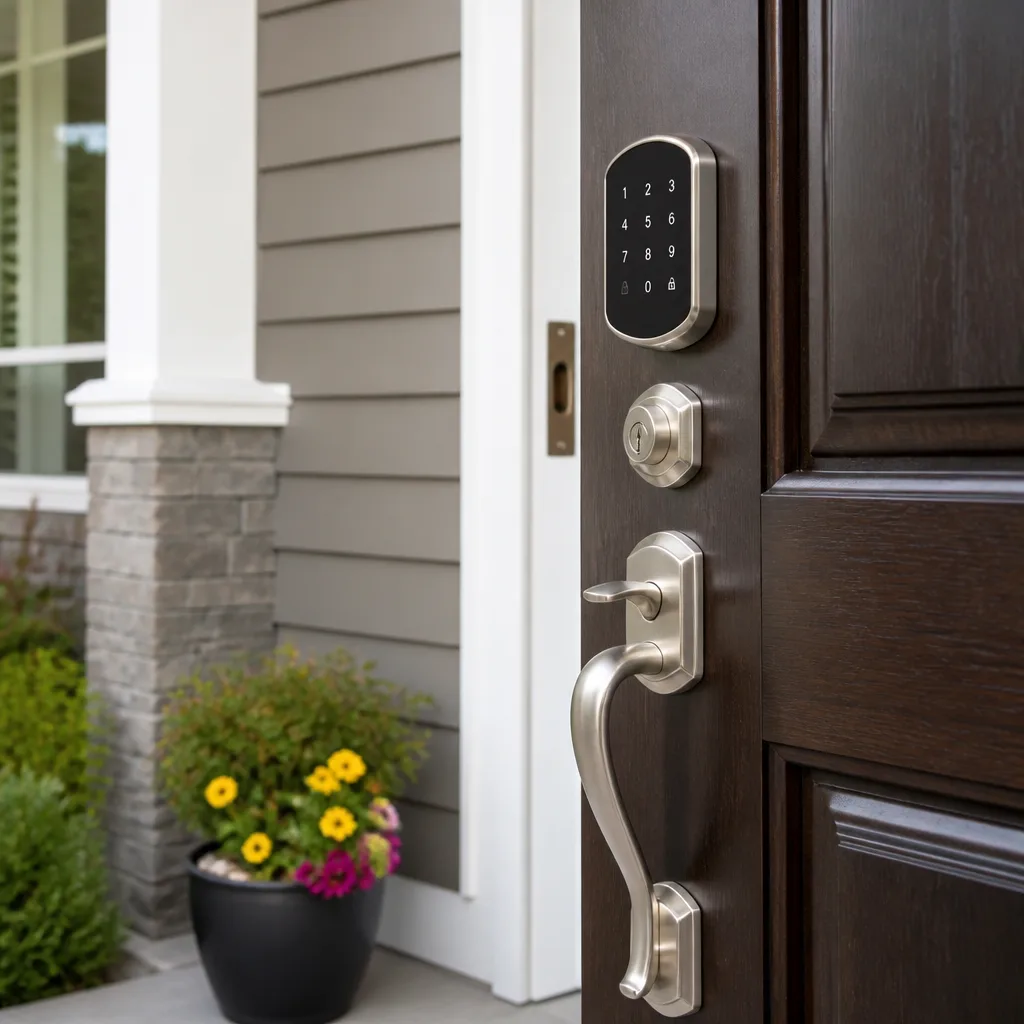 Smart locks
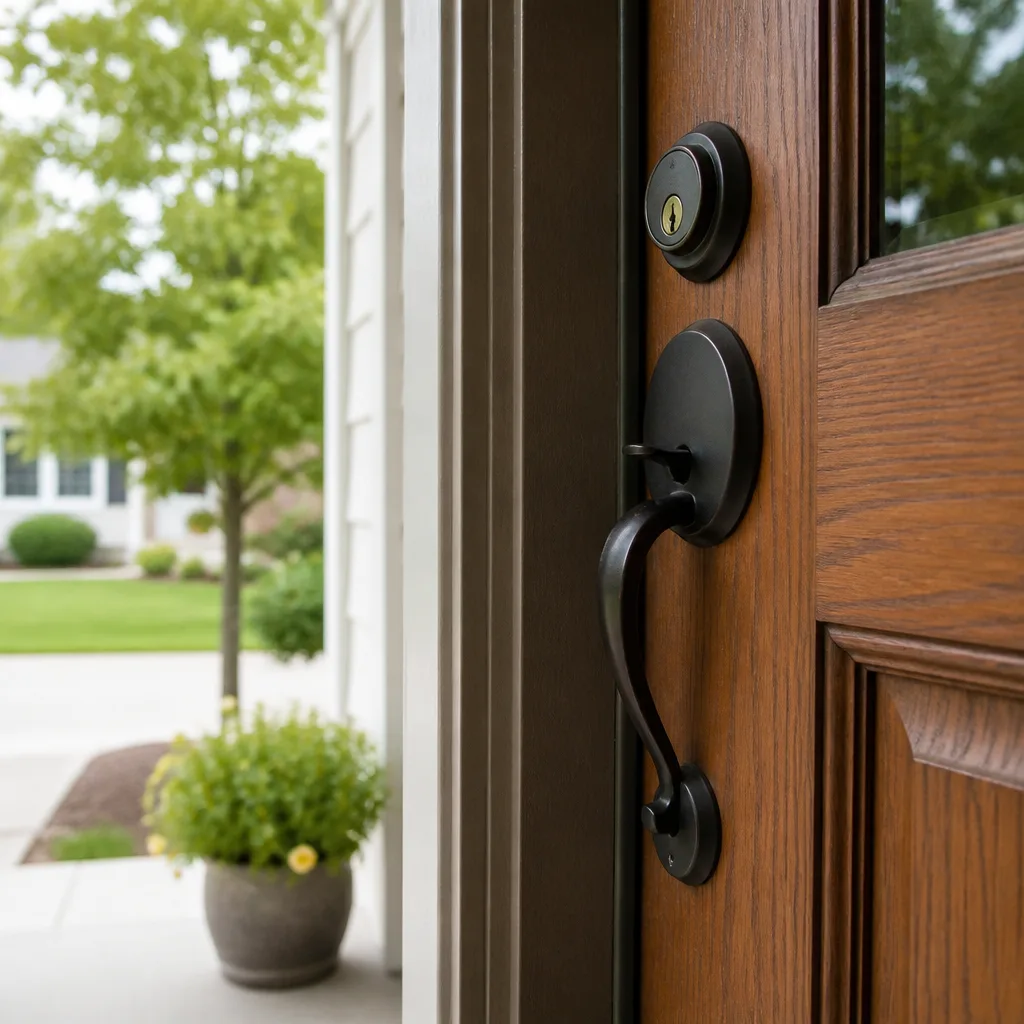 House lockouts
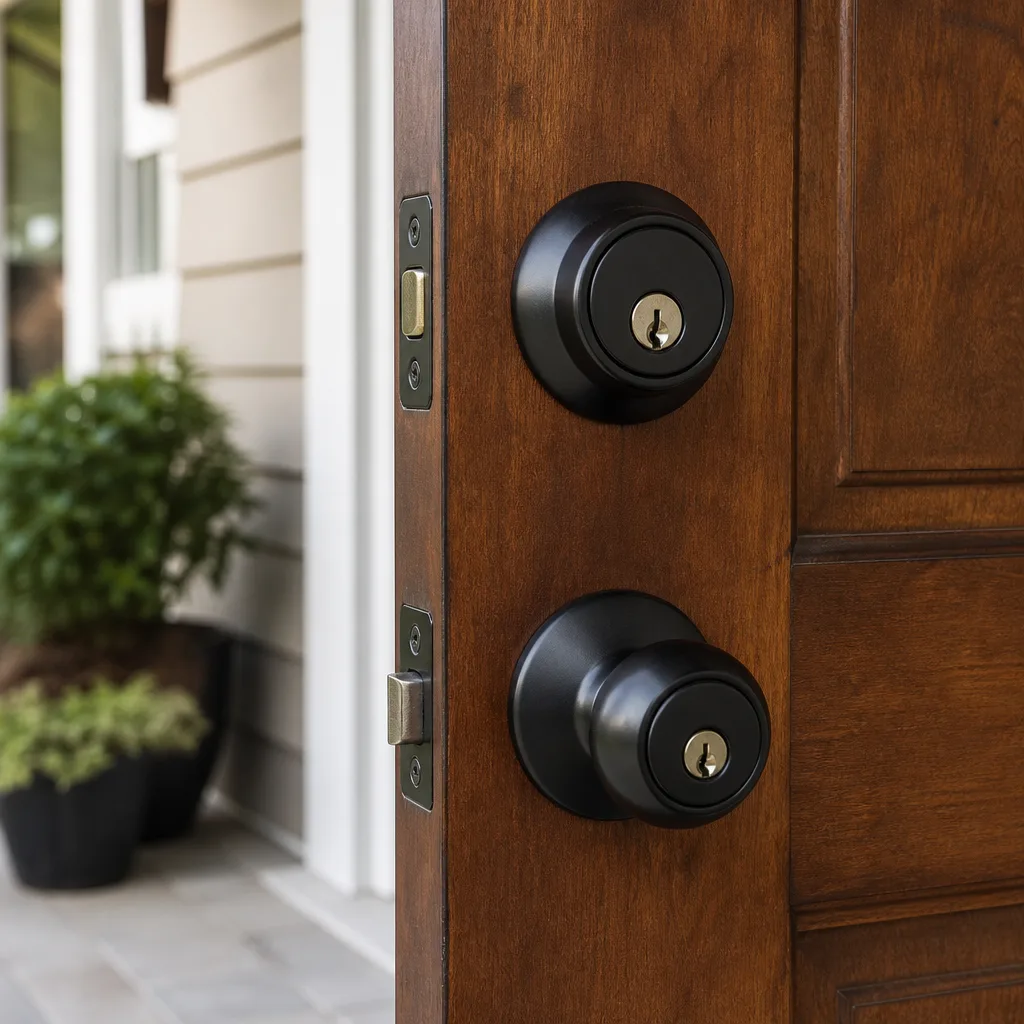 Re-keying
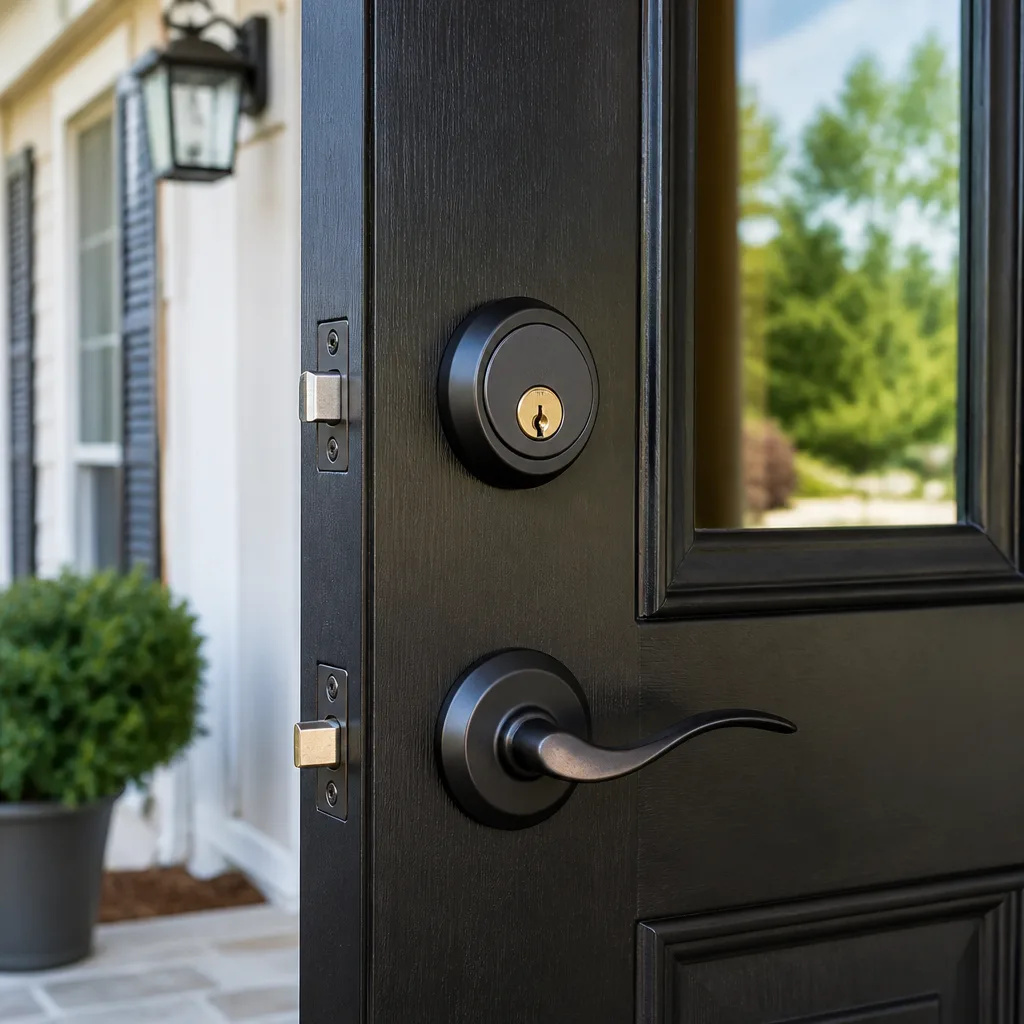 Deadbolt upgrades
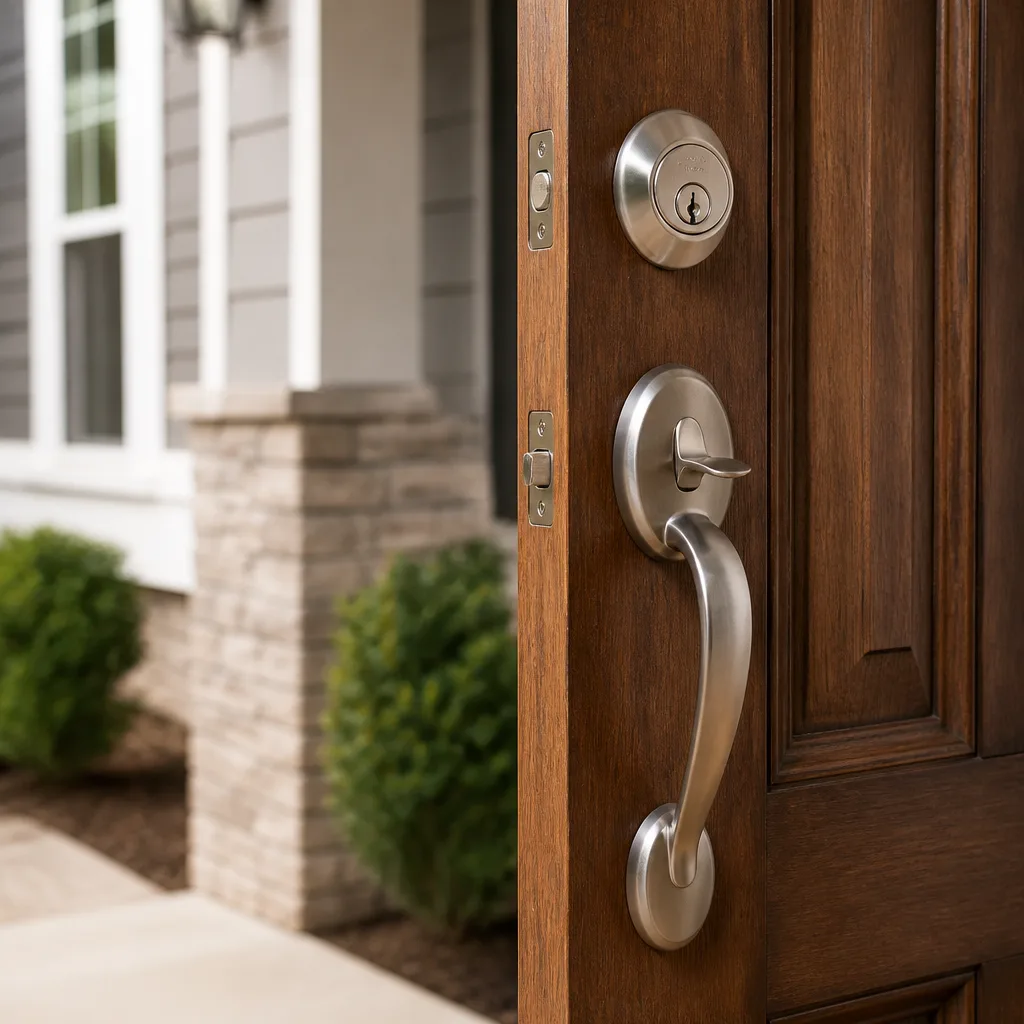 Schlage
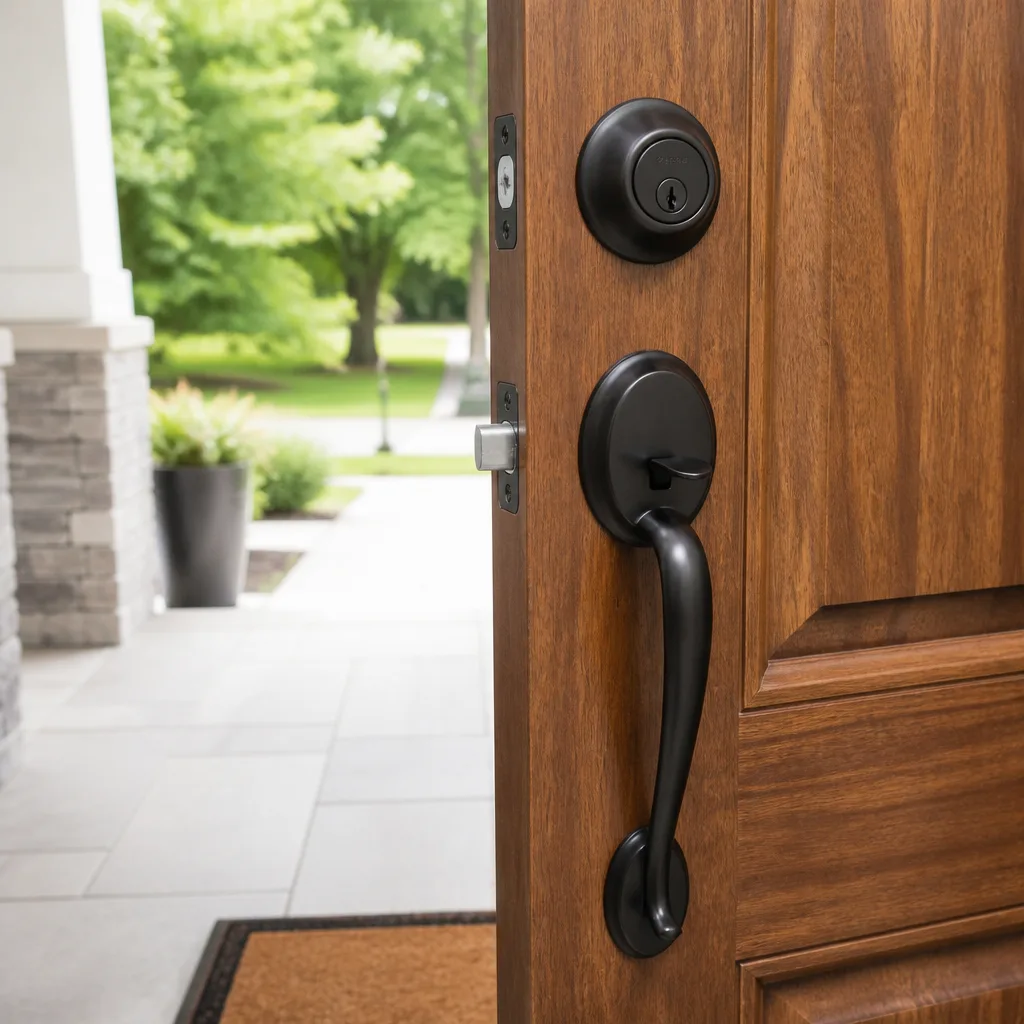 Kwikset
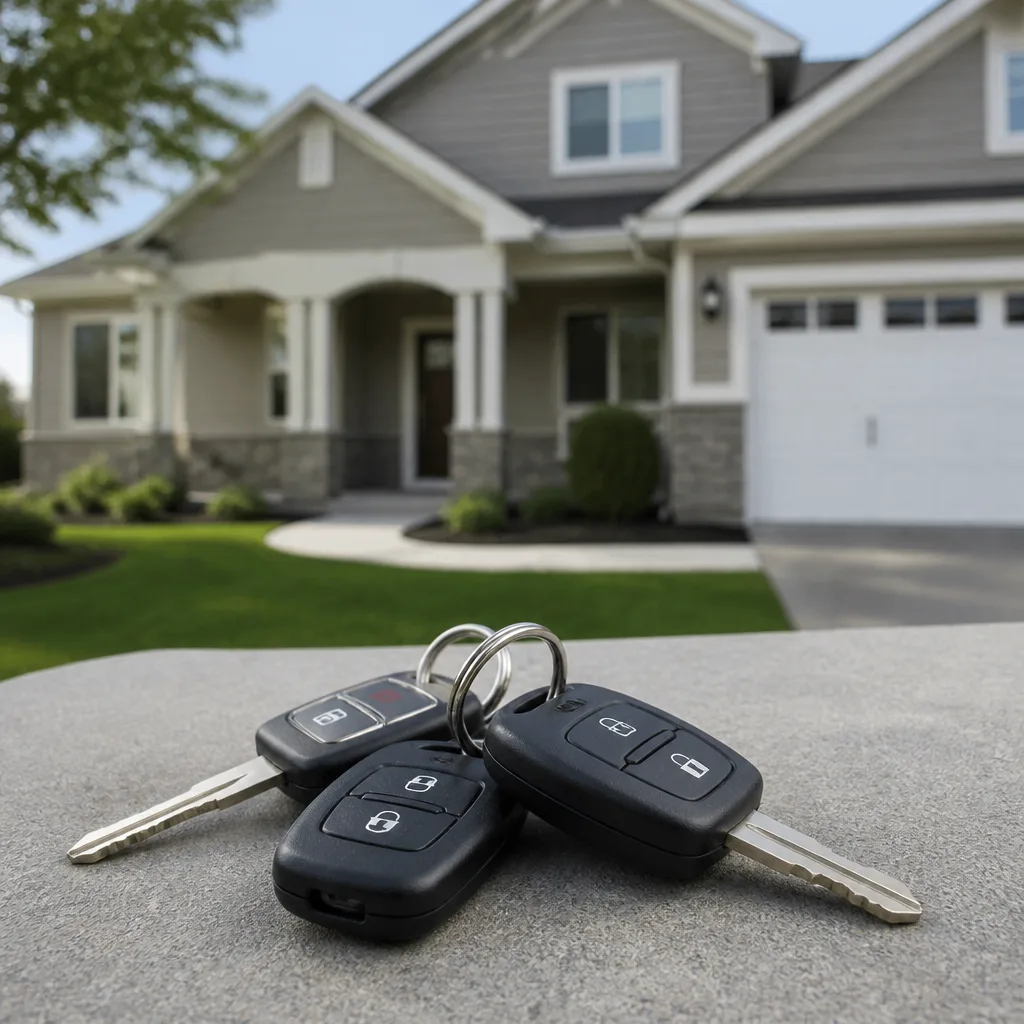 Car keys & fobs
Non-destructive entry first, always - and we re-key Schlage, Kwikset, and Baldwin locks on the spot while you watch
You get a price before we start. It does not change when we arrive. No surprises.
Get your free estimateLocksmith Permits, Codes & Inspections in CA: What You Need to Know
Here’s a fact most California homeowners don’t learn until after a break-in: a “locksmith” who installs a deadbolt without a Bureau of Security and Investigative Services (BSIS) license isn’t just breaking state law. If that deadbolt fails during a burglary, the property owner can find themselves in a coverage dispute with their insurance carrier, because the work was performed by an unlicensed contractor. In Riverside, where we’ve handled everything from Riverside historic district mortise locks to modern access control systems, this regulatory gap catches people off guard every month. This guide explains what California actually requires, what “licensed” really means, where permits come in, and how to document lock work so your insurance claim doesn’t collapse later. For Locksmith Warning Signs: A Riverside Homeowner’s Reference Guide, see our companion post.
Styles & brands we work with
Quick Answer
California regulates locksmiths through the BSIS under the Locksmith Act (Business and Professions Code §6980 et seq.), requiring a state license, background check, and fingerprinting. Most residential lock work, including rekeying and deadbolt replacement, is permit-exempt, but door frame modification and access control wiring often require a local building permit from the city or county. Rental properties have additional lock security obligations under California Civil Code §1941.1.
Table of Contents
- What a California BSIS Locksmith License Actually Requires
- What “Licensed” Really Means, and What It Doesn’t
- When a Locksmith Job in CA Requires a Building Permit
- The California Locksmith Act: Consumer Protections and Remedies
- Riverside Rental Property Lock Requirements Under Civil Code §1941.1
- Documenting Locksmith Work for Home Insurance Claims
- Riverside-Specific Code and Inspection Notes
- Common Mistakes to Avoid
- When to Call a Professional
- Frequently Asked Questions
- The Bottom Line
What a California BSIS Locksmith License Actually Requires
The BSIS locksmith license isn’t a paper formality. An applicant must be at least 18, pass a criminal history background check through the California Department of Justice and the FBI, and submit fingerprints. They also need to document either employment with a licensed locksmith company or completion of an approved training program. It’s a process measured in months, not days. For comparison, a homeowner in Riverside shopping for a rekey should expect a licensed provider to have this credential on file and verifiable through the BSIS public license lookup.
What does the BSIS actually certify? It confirms the holder passed the state’s vetting process and is authorized to perform locksmithing work for compensation. It does not certify skill level, brand-specific training, or competence with high-security hardware like Medeco or Mul-T-Lock. That distinction matters. We hold brand-level certification across eight major lock lines, including high-security systems, which is a separate credential pathway beyond the BSIS floor. When a Riverside property manager asks whether we can service a Sargent mortise lock or an Abloy cylinder, the BSIS license confirms legality. The brand fluency confirms competence.
The practical timeline for someone entering the trade typically includes the application, the live scan fingerprint appointment, background processing, and exam or experience verification. Expect three to six months from start to finish in most cases. Riverside consumers rarely see this process, but they benefit from it every time a technician arrives at their door.
What “Licensed” Really Means, and What It Doesn’t
We hear this misunderstanding constantly: “You’re licensed, so you must be able to handle anything.” The truth is more precise. A California locksmith license means the state has verified the individual’s identity, run a criminal background check, and authorized them to earn money doing locksmith work. It’s a legal threshold, not a skill guarantee.
What the license doesn’t cover: it doesn’t certify automotive key programming capability, it doesn’t verify experience with access control systems, and it doesn’t confirm knowledge of specific residential lock brands like Baldwin or Kwikset. A licensed locksmith could legally show up at your Riverside front door with no idea how to service a Schlage smart lock. The license protects you from criminals. It doesn’t protect you from incompetence.
That’s why we recommend asking a second question beyond “are you licensed?” Ask: “Which brands do you work on regularly?” A provider who names the brands you have in your home or business is offering a concrete commitment. A provider who hesitates or says “all brands” without specifics may be a generalist who will struggle with your hardware. The answer matters more in Riverside’s older housing stock, where homes built in the 1940s and 1950s often have original mortise locks that modern latch-and-bore techs have never opened.
When a Locksmith Job in CA Requires a Building Permit
Most people assume locksmith work never needs a permit. That’s mostly right, but there are exceptions worth knowing before you schedule work or pull out a screwdriver.
Here’s the straightforward breakdown:
Permit-Exempt Locksmith Work in California
- Rekeying an existing lock cylinder, including all standard residential and commercial cylinders
- Replacing a deadbolt or knob in an existing door prep (the same holes, same footprint)
- Extracting a broken key or repairing a lock cylinder
- Programming or cutting new car keys, including transponder and smart keys
- Installing a surface-mounted rim lock or a standard deadbolt in an existing door edge
Work That Typically Requires a City or County Permit
- Cutting a new door prep in a fire-rated door, especially in multi-unit residential buildings
- Modifying the door frame itself, such as enlarging a strike plate cavity or changing the door swing
- Installing electrified access control, which includes running low-voltage wire through walls (this often triggers an electrical permit)
- Adding a new door opening to an exterior wall, which is structural work beyond locksmithing
- Installing a panic bar or exit device on a commercial door that must maintain fire code exit requirements
In Riverside, the city’s building department wants a permit for any modification to a fire-rated assembly. That means a multi-family building or commercial suite with a self-closing metal door can’t just have a new lockset drilled into it. The process matters because fire-rated doors are tested assemblies. Drill the wrong hole and the door’s rating is void. A licensed locksmith who works on commercial hardware, including high-security brands like Medeco and Mul-T-Lock, knows when a permit is needed and will say so before cutting.
For a standard Riverside single-family home, the answer is usually simple: rekeying, deadbolt replacement, and car key work are all permit-free. See our Seasonal Locksmith Care for Riverside: Year-Round Homeowner’s Guide for maintenance timing. The permit question only surfaces when the frame changes or the wiring starts.
The California Locksmith Act: Consumer Protections and Remedies
California’s Locksmith Act, codified in Business and Professions Code §6980 through §6980.54, is the consumer shield for anyone hiring a locksmith in Riverside or anywhere else in the state. The law exists because the locksmith trade has historically attracted bad actors who advertise lowball prices, show up, and then hand the customer an invoice three times higher while standing in the doorway.
What the Locksmith Act gives you as a consumer:
- The right to verify a license. Every locksmith must display their BSIS license number on all advertising, including online listings, vehicle decals, and invoices. If a provider won’t show a license number, that’s a red flag.
- The right to a written estimate. Contractors working under the act must provide a written scope of work and price upon request before starting.
- A complaint pathway. If a locksmith violates the act, you can file a complaint with BSIS, which has authority to investigate, issue citations, and revoke licenses.
- A legal remedy. Under Civil Code §1941.1 and related consumer protection statutes, a homeowner who is defrauded can pursue small claims court action. The claim isn’t limited to the overcharge; it can include costs to correct substandard work.
We see the practical effect of this law every week in Riverside. A customer calls after a fly-by-night operator drilled out a perfectly good cylinder instead of picking it, charged double, and left without providing a license number. The customer’s first question is always the same: “Can I do anything?” The answer is yes. The Locksmith Act gives them a BSIS complaint path and a small claims route. It’s not fast, but it’s real.
Riverside Rental Property Lock Requirements Under Civil Code §1941.1
Rental property rules in California overlap with locksmith work in ways that surprise even experienced landlords. Civil Code §1941.1 establishes habitability standards, and among them is a requirement that every rental unit have a functioning lock on all exterior doors and windows. It’s not a suggestion. It’s a statutory duty.
For Riverside landlords, the practical obligations look like this:
- Working exterior locks. Every entrance door must have a lock that operates with a key or equivalent. A deadbolt that spins without engaging or a knob that turns while locked violates the standard.
- Window locks. Windows that open must have a lock or latch. This includes sliding windows, casement windows, and double-hung windows.
- No expectation of high-security hardware. The statute doesn’t mandate deadbolts specifically, and it doesn’t require higher-grade cylinders or brand-specific hardware. A functional standard knob lock satisfies the literal text, though insurance carriers and tenant advocacy groups often push for more.
- Rekeying between tenancies. California law doesn’t explicitly require rekeying between tenants, but case law around landlord negligence has made it a de facto best practice. When a prior tenant has a key and the next tenant is burglarized without signs of forced entry, liability arguments get messy.
We regularly rekey rental properties in Riverside’s University District and the La Sierra neighborhood because landlords there understand the reputation and liability risk of un-rekeyed locks. A full rekey across a rental unit is typically faster and cheaper than replacing hardware, and it gives the landlord a documented security event: here is the invoice showing new keys issued on this date, so no prior key works. That documentation is often the difference in a liability claim.
Documenting Locksmith Work for Home Insurance Claims
After a forced-entry burglary, an insurance adjuster will ask questions that most homeowners can’t answer. The questions aren’t hostile. They’re about figuring out what happened, and the answers determine whether the claim pays. Here’s what insurers actually ask for after a break-in claim, and how your locksmith documentation answers each question:
Question 1: Was the door locked at the time of the break-in? If you can show a recent locksmith invoice for a working lock installation or repair, the implied answer is stronger. You didn’t just say the door was locked; you can show the lock was professionally serviced. Dates matter. A deadbolt installed seven years ago with no maintenance looks different to an adjuster than one serviced within the last two years.
Question 2: What brand and model of lock was on the door? Most homeowners have no idea. A locksmith invoice has this information: Schlage B60N deadbolt, Kwikset 660 knob, whatever it is. Documenting the hardware helps establish that the lock met industry standards for the door type.
Question 3: Was the lock forced, picked, or bypassed? This determines whether the insurer can argue the lock was inadequate. A locksmith can examine the failed hardware and provide an assessment: the deadbolt throw extended fully into the frame, the strike plate held, the keyway showed no picking marks. That’s evidence the homeowner maintained adequate security.
Question 4: When were the keys last rekeyed? If you can’t prove a rekey after the last roommate, tenant, or house sitter moved out, the adjuster will note it. A rekey invoice dated in the past 12 months closes that line of questioning.
In Riverside, we recommend homeowners keep a simple file: any lock service invoice, any rekey receipt, and a photo of the installed hardware. That’s the whole system. It takes five minutes and it’s what an adjuster wants to see.
Riverside-Specific Code and Inspection Notes
Riverside’s building department operates under the California Building Code with local amendments, and two locksmith-adjacent rules come up often enough to mention here.
First, Riverside’s older housing stock includes thousands of homes in the Wood Streets and Magnolia Center neighborhoods built before 1950. Many of those front doors are original solid wood with mortise locks or small-bore latch sets. Replacing those locks is straightforward and permit-free, but retrofitting a modern deadbolt into an original door sometimes requires enlarging the bore hole. That work usually doesn’t trigger a permit on a single-family home, but it does require a technician who understands wood doors and won’t splinter the edge. We’ve rekeyed and replaced hardware on hundreds of these doors across Riverside, and the pattern is consistent: the lock isn’t the hard part, the door is.
Second, Riverside has a significant portfolio of mid-century multi-family buildings near downtown and around the UC Riverside area. Those properties often have fire-rated doors and exit hardware. Any modification to those assemblies falls under fire code review, not just building code. A property manager who swaps a standard exit device for a different model without checking compliance risks a fire inspection failure. The rule of thumb we follow: if the door is in a shared hallway, a stairwell, or an exterior exit path, assume fire code applies until proven otherwise.
There is no separate locksmith permit in Riverside. The BSIS license is the state credential, and the city permit process only engages when structural or fire-rated assemblies are modified. We see contractors operate in Riverside without local permits on commercial door work more often than we’d like, and it’s a gap that comes back to bite at inspection time.
Common Mistakes to Avoid
- Assuming “licensed” means “skilled.” The BSIS license verifies the person passed a background check, not that they can service your specific Baldwin mortise lock or program your car’s transponder key. Always ask about brand-specific experience before booking.
- Not documenting a rekey after someone moves out. In Riverside’s rental-heavy University District, a prior tenant with a key is a liability that doesn’t disappear. A rekey invoice with a date is the cheapest insurance document you’ll ever buy.
- Drilling out a lock you could have picked. We’ve repaired dozens of doors in Riverside where a previous tech drilled a perfectly serviceable cylinder because they didn’t know how to pick it. Picking is faster, cleaner, and leaves the existing hardware intact.
- Installing new hardware without checking the door prep. A standard cylindrical deadbolt doesn’t fit a mortise pocket from 1948. The result is often a hacked-up door edge and a lock that doesn’t seat properly.
- Ignoring strike plate quality on a wooden door frame. The strongest deadbolt in the world is only as good as the strike plate behind it. On Riverside’s older solid-wood frames, a surface-mounted strike with two screws is a known weak point that a competent locksmith addresses with a reinforced strike or a wrap plate.
- Not asking for the license number before the job starts. California law requires locksmiths to display their BSIS number in advertising and on invoices. If the number isn’t visible and verifiable, you’re gambling on the provider. Get it upfront.
When to Call a Professional
Some situations are genuinely beyond what a homeowner should tackle, and the line isn’t always obvious. Call a licensed locksmith when you need a high-security cylinder like a Medeco or Mul-T-Lock serviced, because those systems have restricted keyways and proprietary pins that standard tools can’t handle. Call when a car key needs programming, not just cutting, since automotive locksmith work requires specialized equipment and brand-specific software. Our Car Key Replacement Maintenance Checklist for Riverside Homeowners covers what to track. Call when a lock has been picked or tampered with and you need an assessment of what failed. Call when you’re a landlord in Riverside who just had a tenant move out and you want a documented rekey on the record. Greystone Locksmith offers free estimates wherever you are in the Riverside area. Call (866) 497-9415 and we’ll tell you upfront what the work will cost and whether a permit is involved.
Frequently Asked Questions
Yes. California requires any person performing locksmith work for compensation to hold a BSIS locksmith license, which involves a criminal background check, fingerprinting, and verification of training or employment history. The license must be displayed and verifiable through the BSIS public database.
No, rekeying a house in Riverside is permit-exempt work. Permits only enter the picture when you modify the door frame, cut into a fire-rated door, or install electrified access control wiring through walls.
Ask for the BSIS license number, then verify it on the Bureau of Security and Investigative Services website, which maintains a public license lookup. California law requires locksmiths to display the number in advertising and on invoices, so refusal to provide it is a violation.
Under California Civil Code §1941.1, landlords must provide functioning locking hardware on all exterior doors and openable windows. While the law doesn’t require specific deadbolt hardware, a non-functioning lock is a habitability violation, and rekeying between tenancies is strongly recommended liability practice.
Generally yes, if the door was locked and the lock was maintained and functional. Insurance carriers look for evidence the lock operated as intended and wasn’t left open or unrepaired. A recent locksmith invoice documenting the hardware and its condition strengthens the claim.
Yes, in most cases. Installing a high-security cylinder into an existing door prep is permit-exempt. The permit question only arises if the installation requires modifying the door or frame beyond the existing holes, which is rare for cylinder swaps.
The Bottom Line
California’s locksmith regulation exists to protect consumers from fraud and incompetence, and the BSIS license is the state’s floor. But the floors of legality and ceilings of competence aren’t the same. A licensed locksmith meets the legal minimum. A locksmith who can service your specific hardware, from a Riverside mid-century mortise lock to a commercial access control system, is the one you want. Document every rekey, every lock service, every new key issued. When a claim lands on an adjuster’s desk, that paper trail is the difference between a paid claim and a contested one. And when the lock in front of you needs attention, call someone who knows what’s in the door before they touch it. Browse more guides & resources on keeping your property secure. Greystone Locksmith handles the full spectrum: car key replacement, emergency lockouts, and rekeying for residential, commercial, and high-security hardware. Call (866) 497-9415 for a free estimate.
Written by the team at Greystone Locksmith, serving Riverside since 2011.